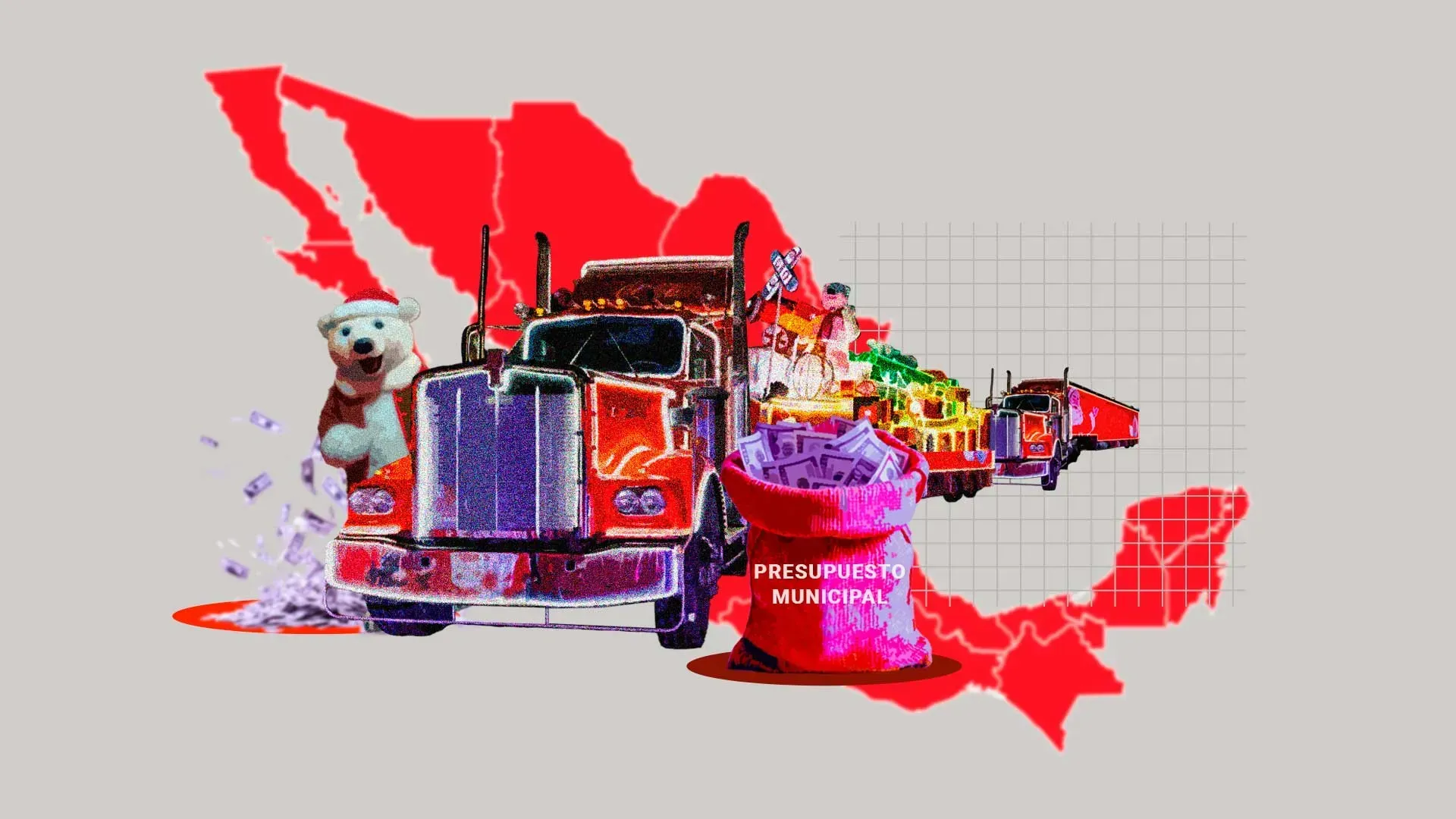


Coca-Cola Caravan: fleeting joy that leaves behind garbage, public spending and disease
Though it is promoted as a free family event, it costs the municipalities thousands of pesos, leaves tons of waste, and reinforces the presence of a brand linked to different health conditions.
Fecha de publicación:
26 de octubre de 2025, 20:00
Coca-Cola’s Christmas caravan, promoted as a “healthy entertainment” activity, is in reality a gigantic marketing operation, subsidized with resources from the municipalities where it’s carried out, one that reinforces the positioning of a brand linked to the non-communicable disease epidemic that gravely affects Mexico.
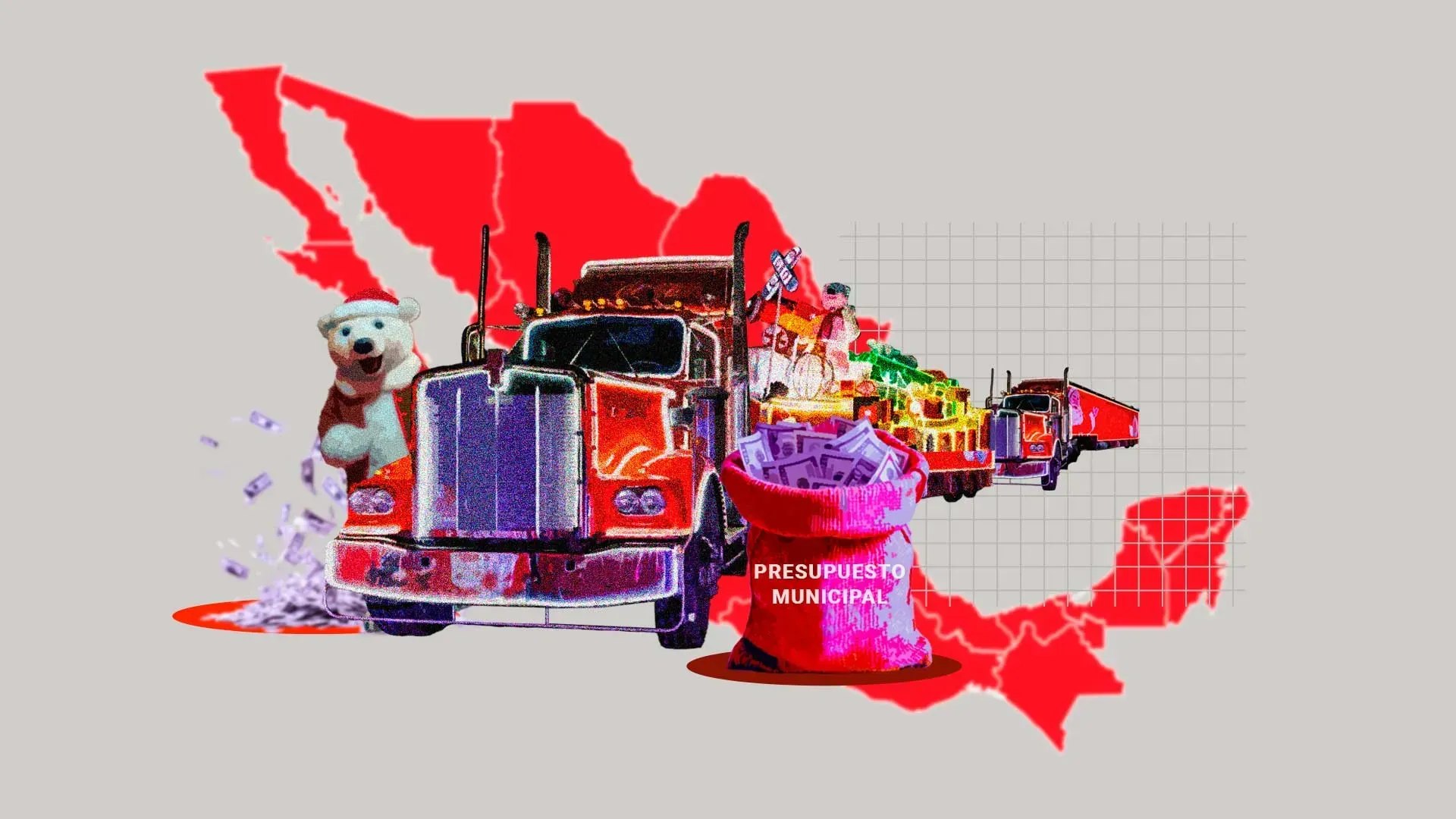
Ignoring their obligations to promote healthy habits, the municipal authorities authorized the Caravan in 2024, which produced over 100 tons of trash and an estimated cost of 125 thousand dollars in public resources. While the beverage bottlers invested only 185 dollars in permits, the 17 participating cities assumed the costs in human resources, public services and even contracts with television stations.
The impact of these products on Mexicans' health has forced president Claudia Sheinbaum to take measures to discourage the consumption of sugary drinks with the tax of 0.16 dollars per liter, and advertising campaigns promoting healthy habits, among others.
Various legal instruments —from the Mexican Constitution to the General Health Law and the Law on the Rights of Children and Adolescents, including the Mexican Official Norms— establish the obligation of the authorities to promote healthy habits, guarantee suitable environments, and promote a balanced diet. Additionally, they expressly prohibit advertising strategies aimed at children that encourage the consumption of products with warning labels, in order to protect children’s health and reduce the consumption of unhealthy foods.
Specialists consulted for this research piece agree that municipal governments should prioritize health, the city’s welfare, and children’s best interest.
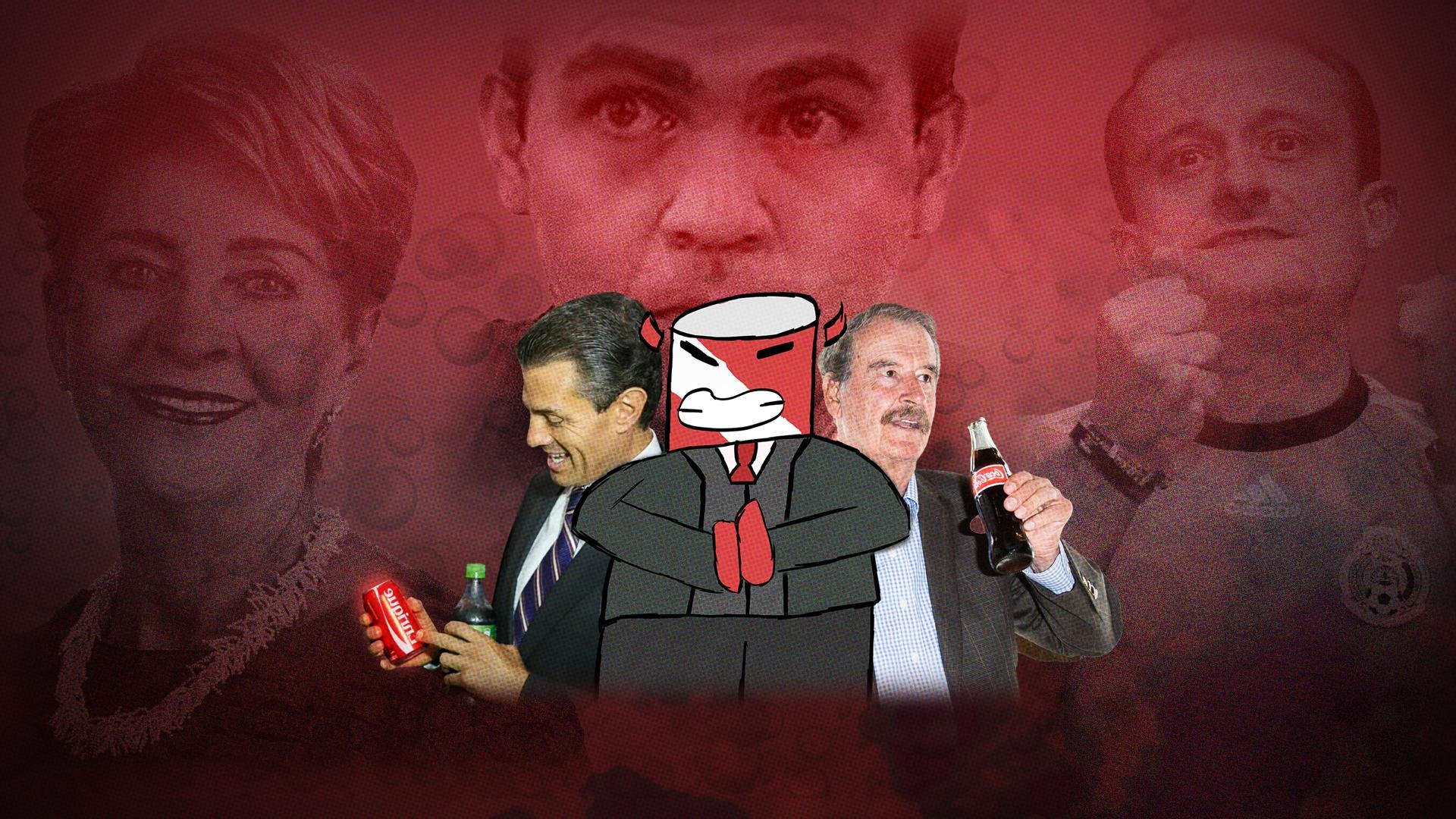
The 17 cities, governed by PRI, PAN, PVEM, Morena, and Movimiento Ciudadano, facilitated the passage of the caravan. Some administrations argued that it was “a tradition” or a “non-profit event”.
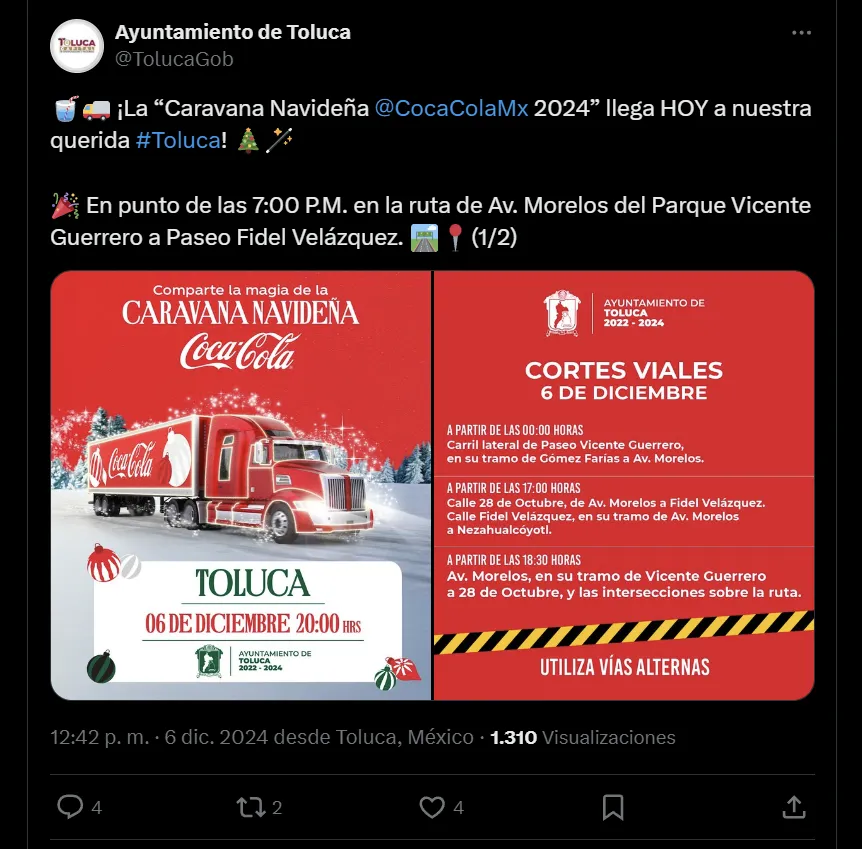
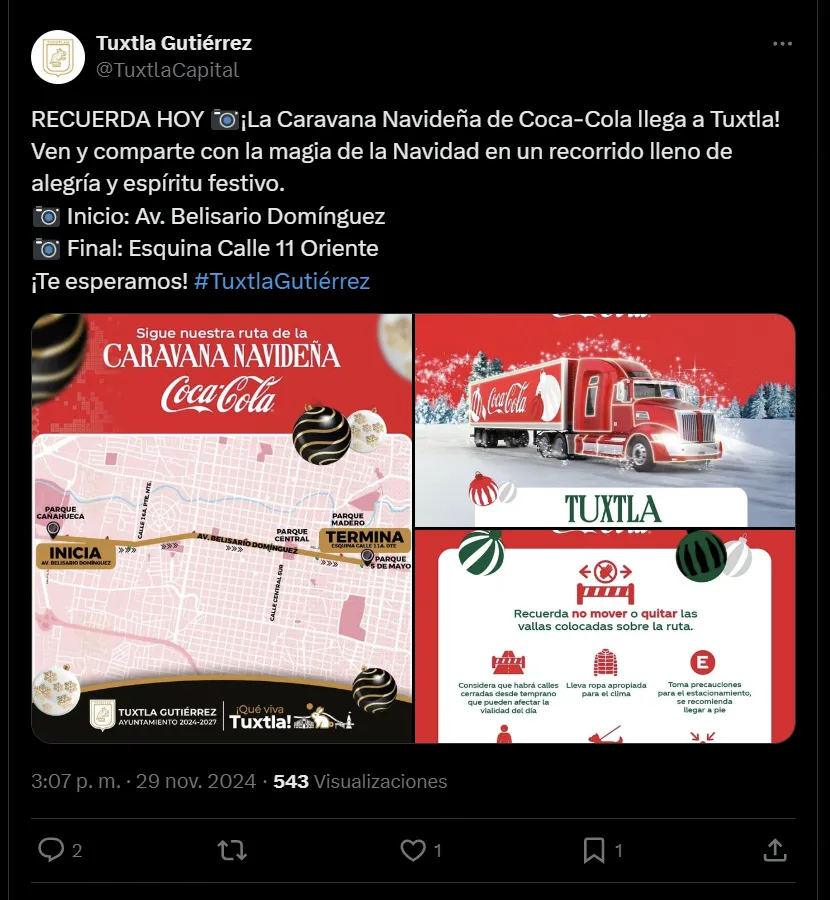
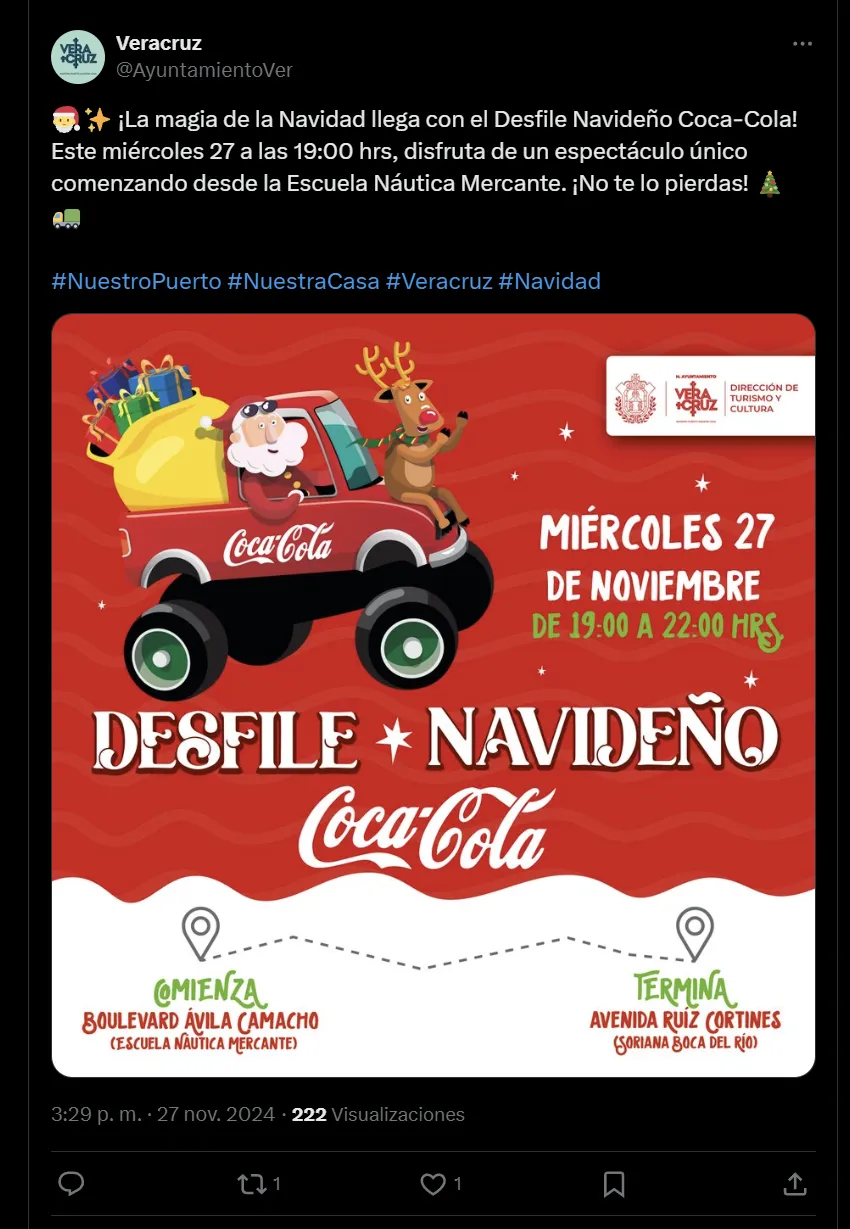
However, documents obtained by POPLab through requests for information to the municipalities of Ciudad Juárez, Cuautitlán Izcalli, Guadalajara, Hermosillo, León, Mexicali, Monterrey, Nogales, Puebla, Puerto Vallarta, Saltillo, San Luis Potosí, Tepic, Toluca, Torreón, Tuxtla Gutiérrez and Veracruz, reveal that the costs of ambulances, security elements, fences, portable toilets, street closures and institutional promotion were assumed by local governments. The companies that made these requests were: Propimex (of the Femsa group), Arca Continental, Bebidas Refrescantes de Nogales and Embotelladora del Nayar. None of the companies responded to the interview request for this report.
Despite the logistical and personnel deployment, the bottling companies barely made any financial contributions. Only Tuxtla Gutierrez reported a payment of 177 dollars and Cuautitlán Izcalli one of 9 dollars. In Mexicali, even tax payments were exempted under the argument that the caravan was not a lucrative show, though they did make a payment for public services; however, the authorities did not reveal the amount. The rest of the municipalities reported not having information about any payment made by the bottling companies.
Only 10 municipalities admitted having granted permits; Monterrey, Puerto Vallarta, San Luis Potosí, Tepic, Veracruz, and Toluca said they did not have records of the procedures. Saltillo responded that since it was a “private event,” they had no information.
The hidden cost: public resources at the service of Coca-Cola
Gerardo Coronado, sales manager in San Luis Potosí for Coca-Cola, said, during the event in the capital of the state, that the Christmas caravan was “a gesture of humanity that will make the city a better place”.
This “gesture of humanity” had a cost of almost 41,700 dollars for the treasury of the states of Veracruz, Torreón, Puebla and León, though cities like Monterrey, Toluca, San Luis Potosí and Guadalajara, amongst others, claimed they did not spend anything.
The above combined with the work of at least 2,905 municipal workers who participated in tasks related to the caravan, according to available official information. The calculation of salaries —carried out by POPLab based on average daily wages— results in an expense of 86,647 dollars in labor. Saltillo, Torreón, and San Luis Potosí didn’t respond to this information.
Furthermore, the cities disclosed that municipal employees worked 254 and a half hours for the caravan, though Puebla and Saltillo did not report these figures.
Guillermo Sánchez Rueda, expert in Strategic City Planning, Territorial Development and Urban Intelligence, says that Coca-Cola’s Christmas caravans are an example of the commercialization of public space. He also considers that it is the authority that must always consider “the positive side of the use of that public space. That a global brand comes to the city and proposes this use for commercial reasons, has more consequences for the city” due to the “extraordinary” expenses assumed by the municipalities “which in the end, are paid for by the citizens, with our taxes”.
The doctor in urban and regional planning from the University of Valladolid poses the example of a community event the celebrations that take place in towns and cities for the celebration of Mexico’s independence, as “it creates much more community and the benefits are more equitable”, since there is also the presence of small merchants as well as more recognizable brands, “but that is the big difference with a commercial parade to promote a brand”.
Sánchez Rueda claims that it is “in the public space where our citizenship is expressed, in all its forms. It’s part of the authority’s job: to better manage the public space beyond mobility, traffic, commercial uses, etc. It’s precisely with this type of community organizations” that this will be achieved.
Disguised advertising, prohibitions flouted
The General Health Law on Advertising prohibits advertising directed at children for products with front seals. However, Coca-Cola circumvents this restriction with strategies such as caravans: visually appealing events, with characters like polar bears, lights, music and mascots that evoke the brand without the need to show products.
Armando Ruiz, specialist in marketing and strategic communication, explains that the caravan “is more associated with communication and public relations and brand positioning so that people keep it in mind during that season”.
And the bottling company has been successful in that, managing to make its products be perceived as a symbol of Christmas, something that does not happen with other similar brands, Ruiz explains.
The specialist states that the company has bet on communicating values such as happiness, unity, and family. “By evoking positive emotions, Coca-Cola seeks to win people’s hearts. It’s what’s known as a love mark, when you associate a brand to an emotion or an emotional bond. Then you say: "I always buy this, I recommend it, I even defend it if someone criticizes it.”
Carlos Alfredo Cruz Casarrubias, researcher at the National Institute of Public Health (INSP in spanish), explains that children are especially vulnerable to this type of marketing, because they “do not yet have the capacity to make decisions based on other elements that could or could not generate a benefit for them. They select products based on how they look”, not by what they contain.
The specialist indicates that a study in which he participated found that a high percentage of advertising on sugary drink packaging was targeted at children.
The World Health Organization and UNICEF have criticized marketing aimed at children, as it violates their rights to health and adequate, nutritious food, among others.
For Cruz Casarrubias, the consumption of ultra-processed products affects the growth and development opportunities of infants. “In the end, risk factors accumulate that will later be reflected in health situations. For example, a higher prevalence of dental diseases, increased risk of overweight and obesity, and also other illnesses such as diabetes and cardiovascular diseases”.
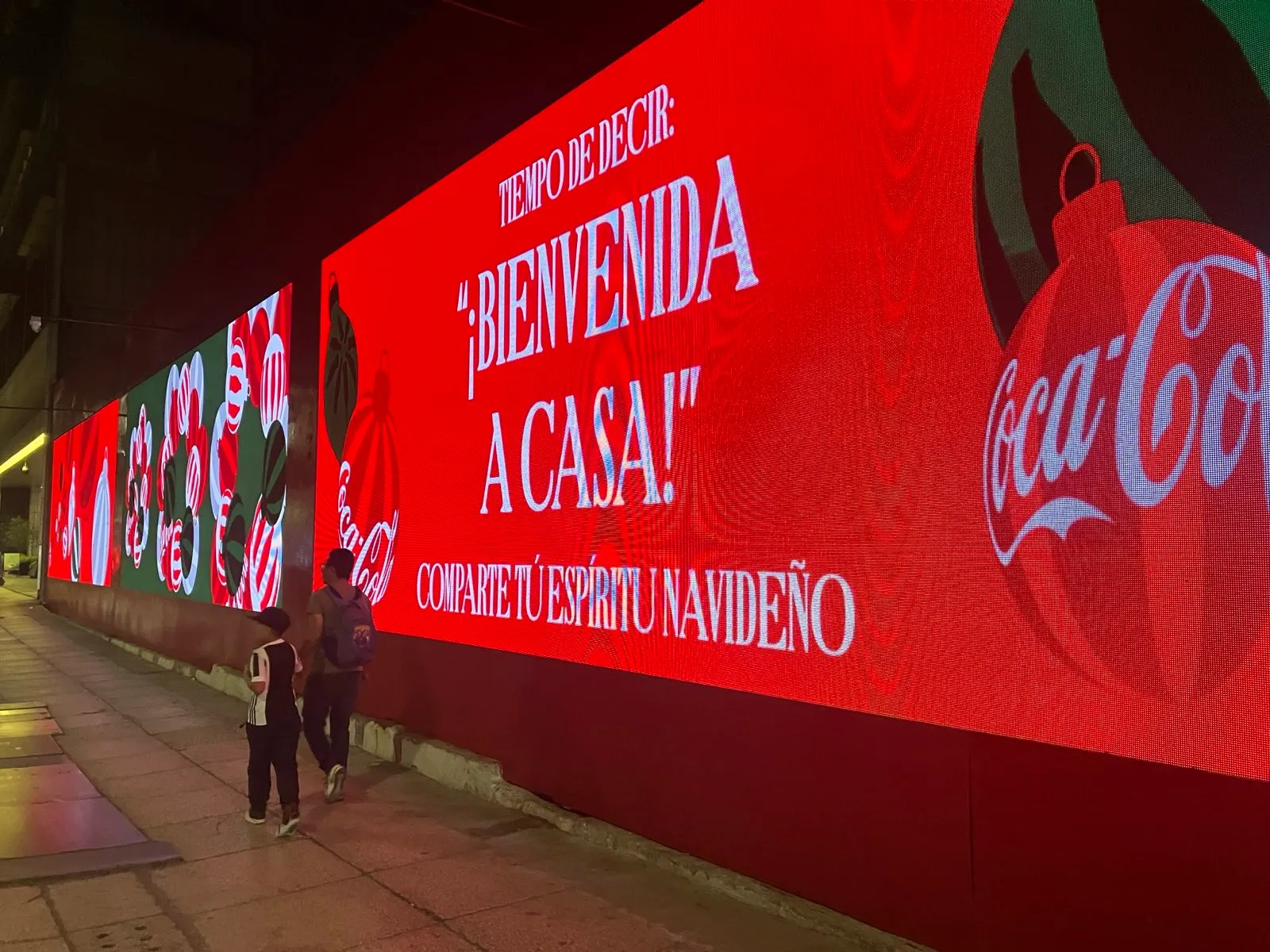
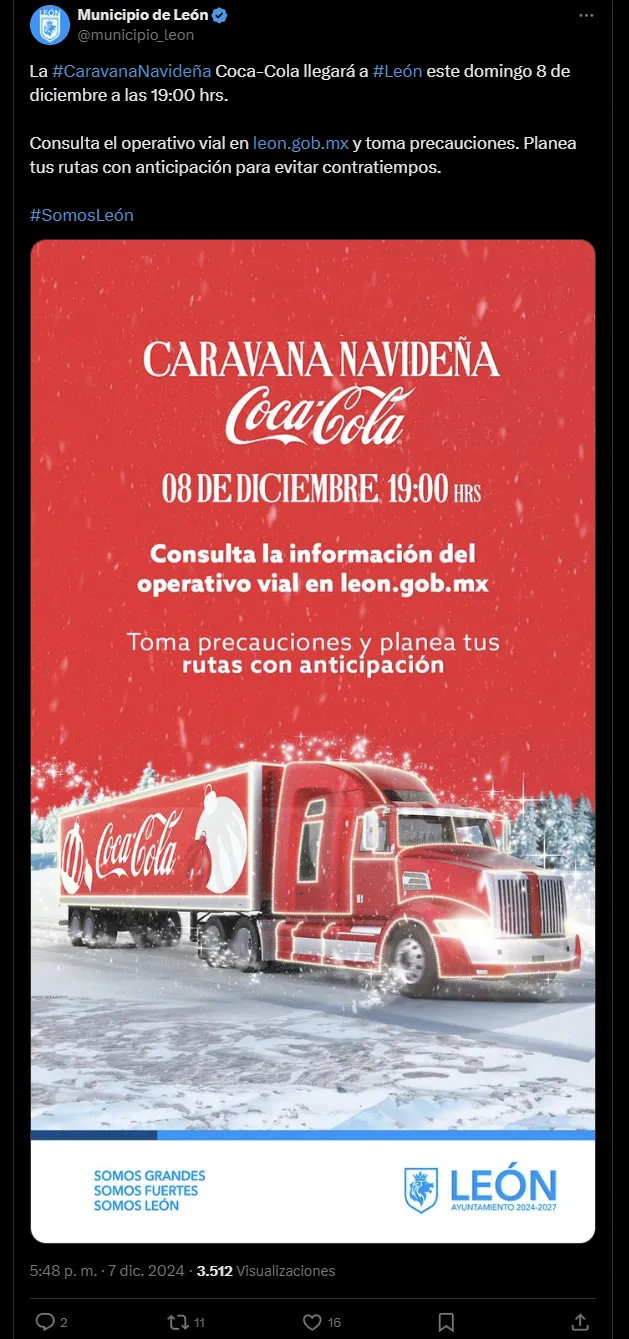
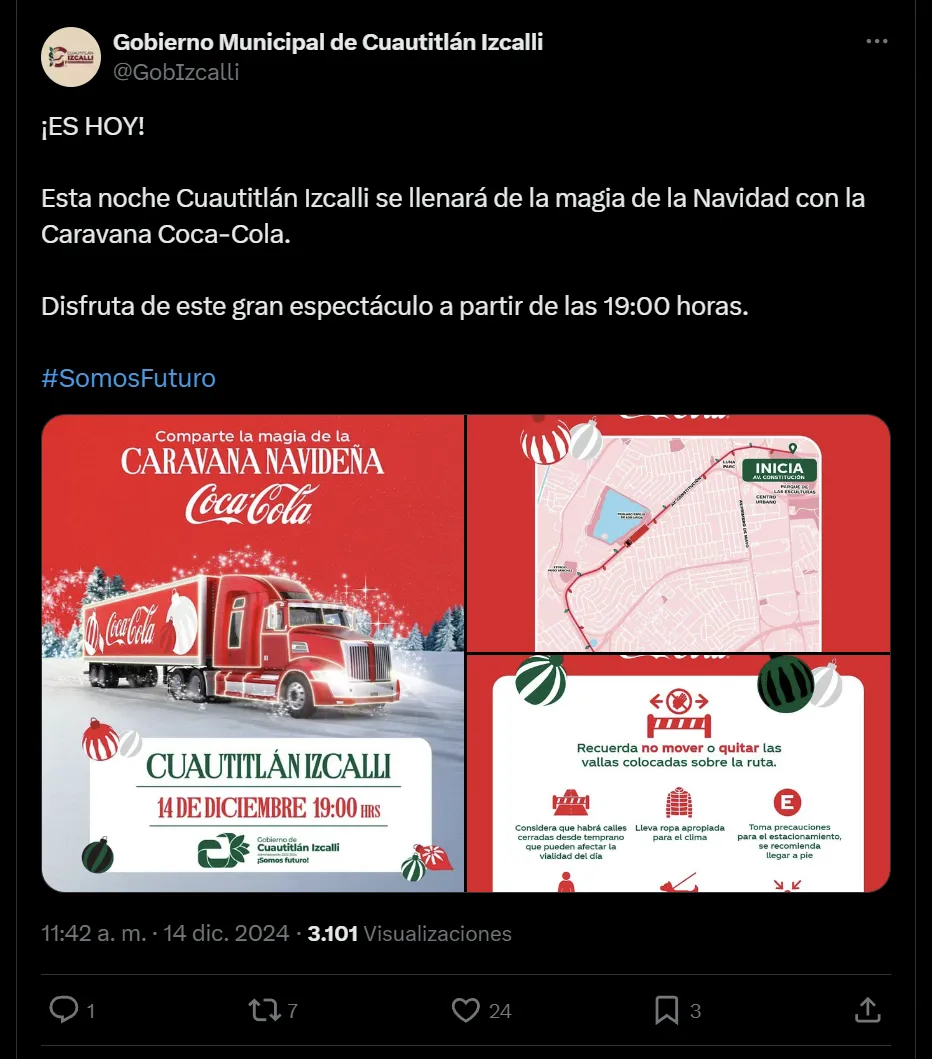
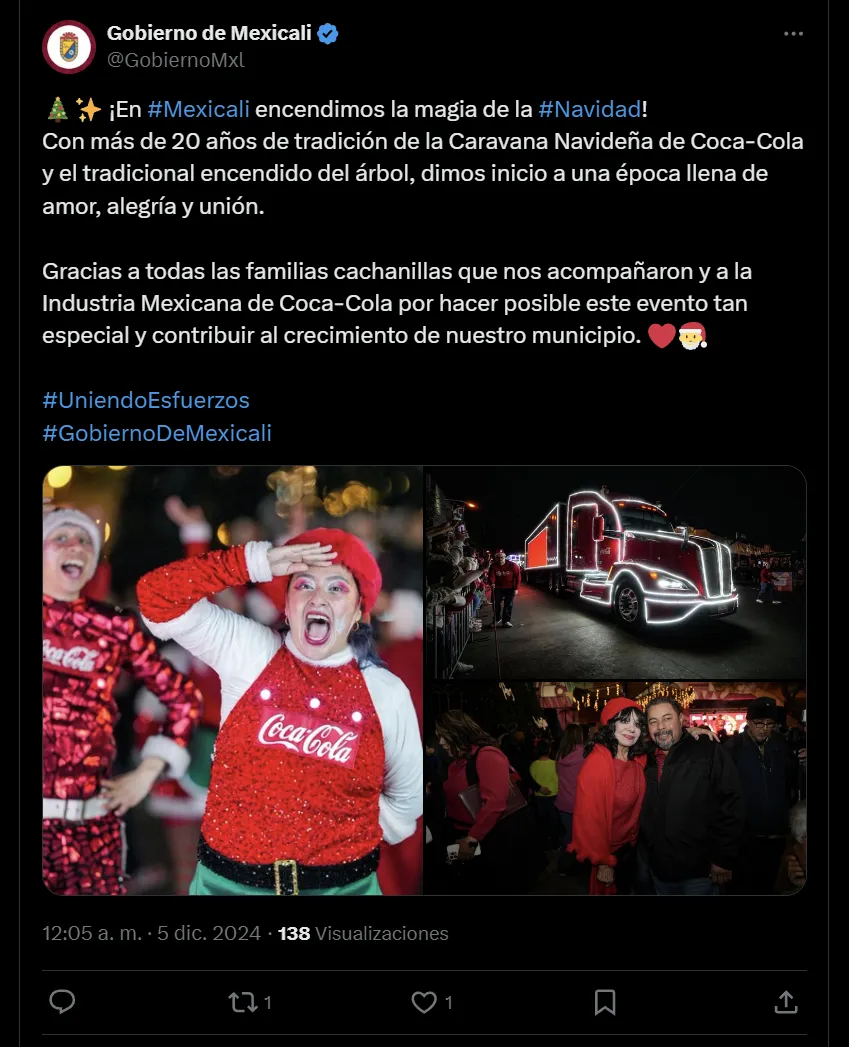
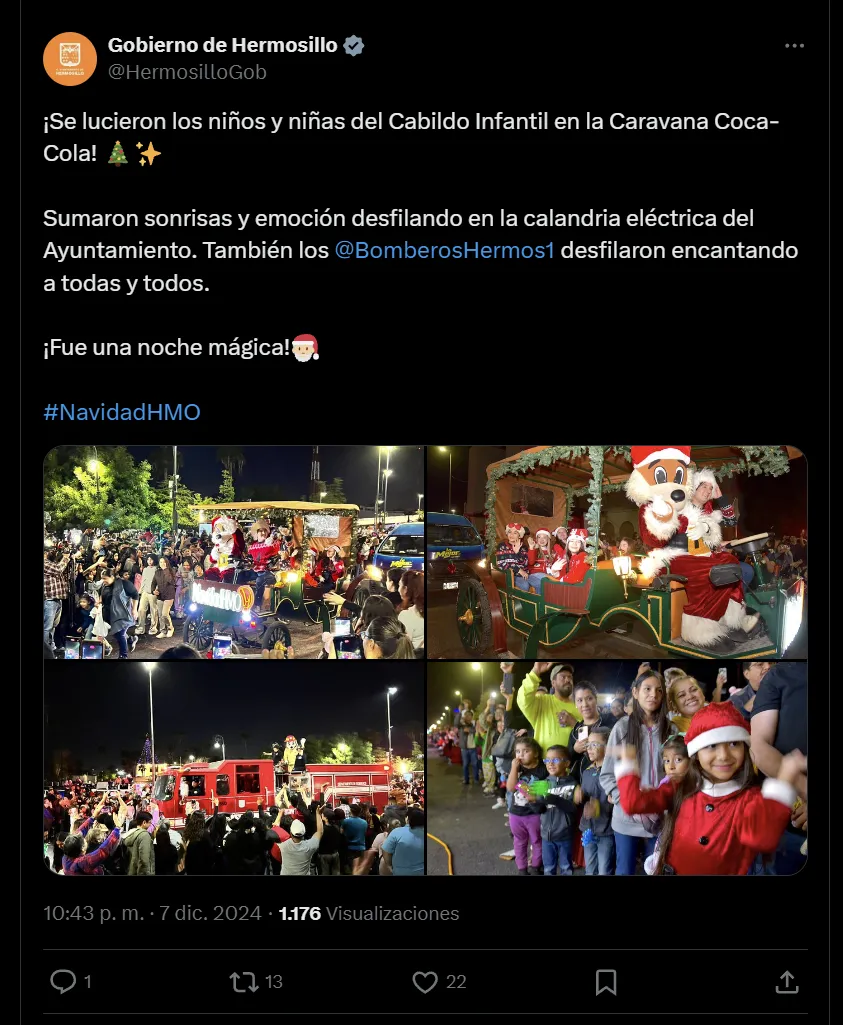
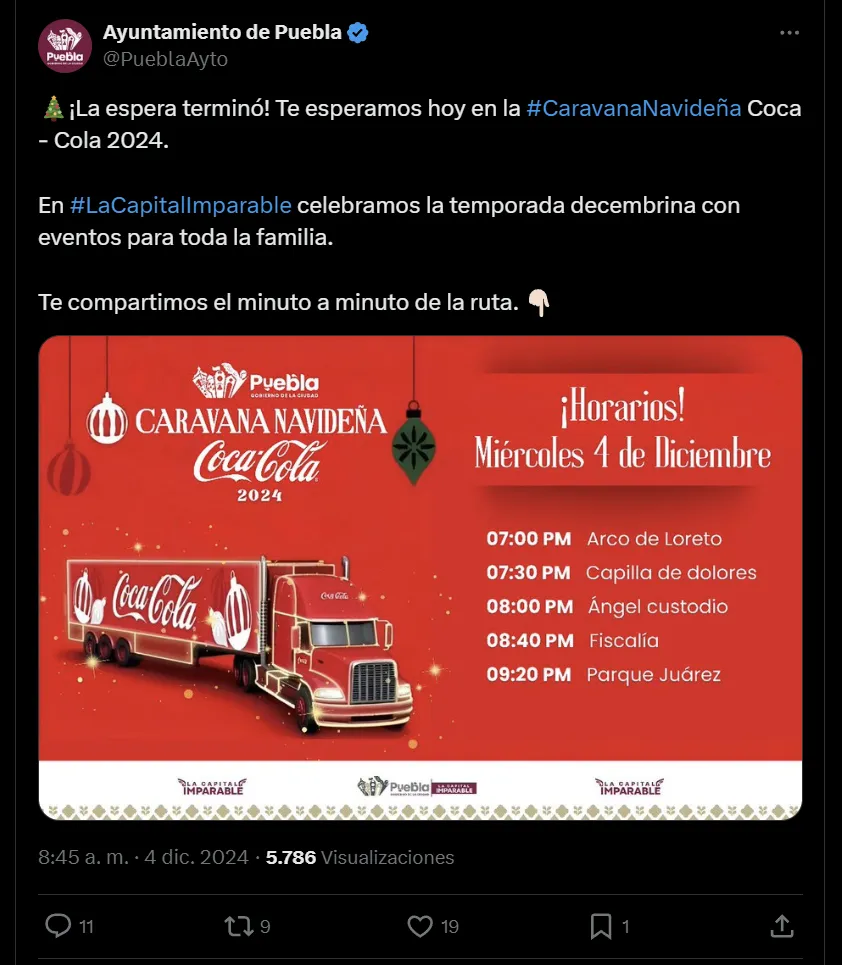
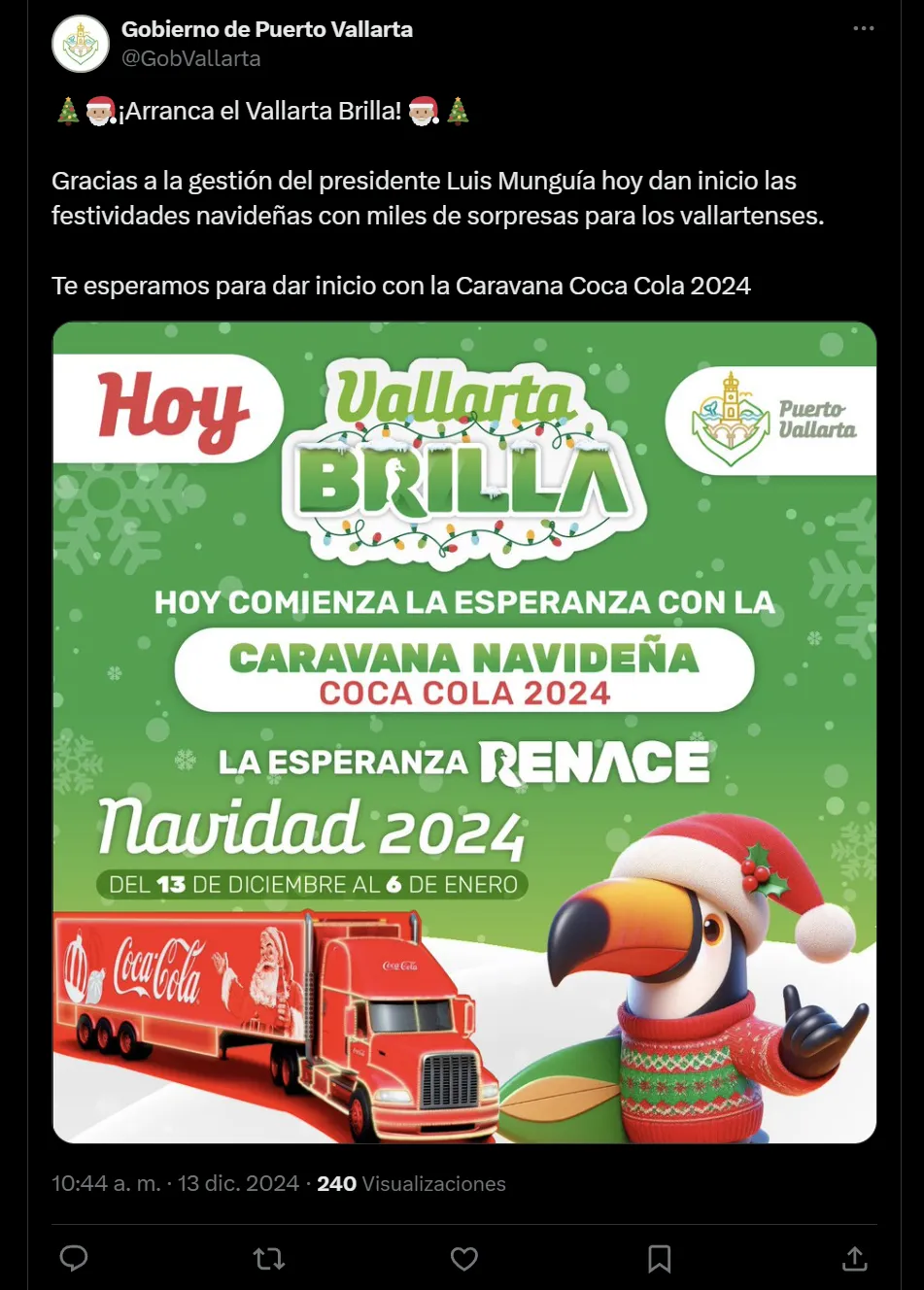
POPLab identified at least 151 publications from local authorities promoting the event with logos and graphic elements of Coca-Cola. In San Luis Potosi, it was broadcast live on official social networks. In Leon, the municipality paid for a special production by TV4, the public state channel.
Puebla responded that they announced the caravan through the municipality’s official social networks, “therefore no financial resources were allocated to promoting the event” and they did this because they “were responding to the media’s interest in reporting on an event with social impact”. The majority of the municipalities promoted the event through newsletters, press conferences, and videos of mayors inviting people to attend the event.
The expert in publicity, Armando Ruiz, says these activities help the image of authorities, especially those in places where they cannot afford celebrations of this type in their municipalities. By supporting “an event for families, or at least to watch the caravan go by, it increases the positive perception of these public officials”.
In Carlos Cruz’s opinion, affiliated with the Center for Research in Nutrition and Health, “the municipalities should take into account other precautionary principles that are more aligned with public health” and not only the benefit from holding these types of events or from contributions with Christmas decorations. In the current law, there are loopholes that allow these activities that do not promote products, but brands, which makes their regulation more complex and should not be limited to advertising aimed at children, but rather the entire family, says the expert.
However, in “situations like the Coca-Cola caravan it would be enough –for the authorities to adhere– to the General Health Law regarding advertising,” says the INSP academic.
The environmental impact: tons of garbage
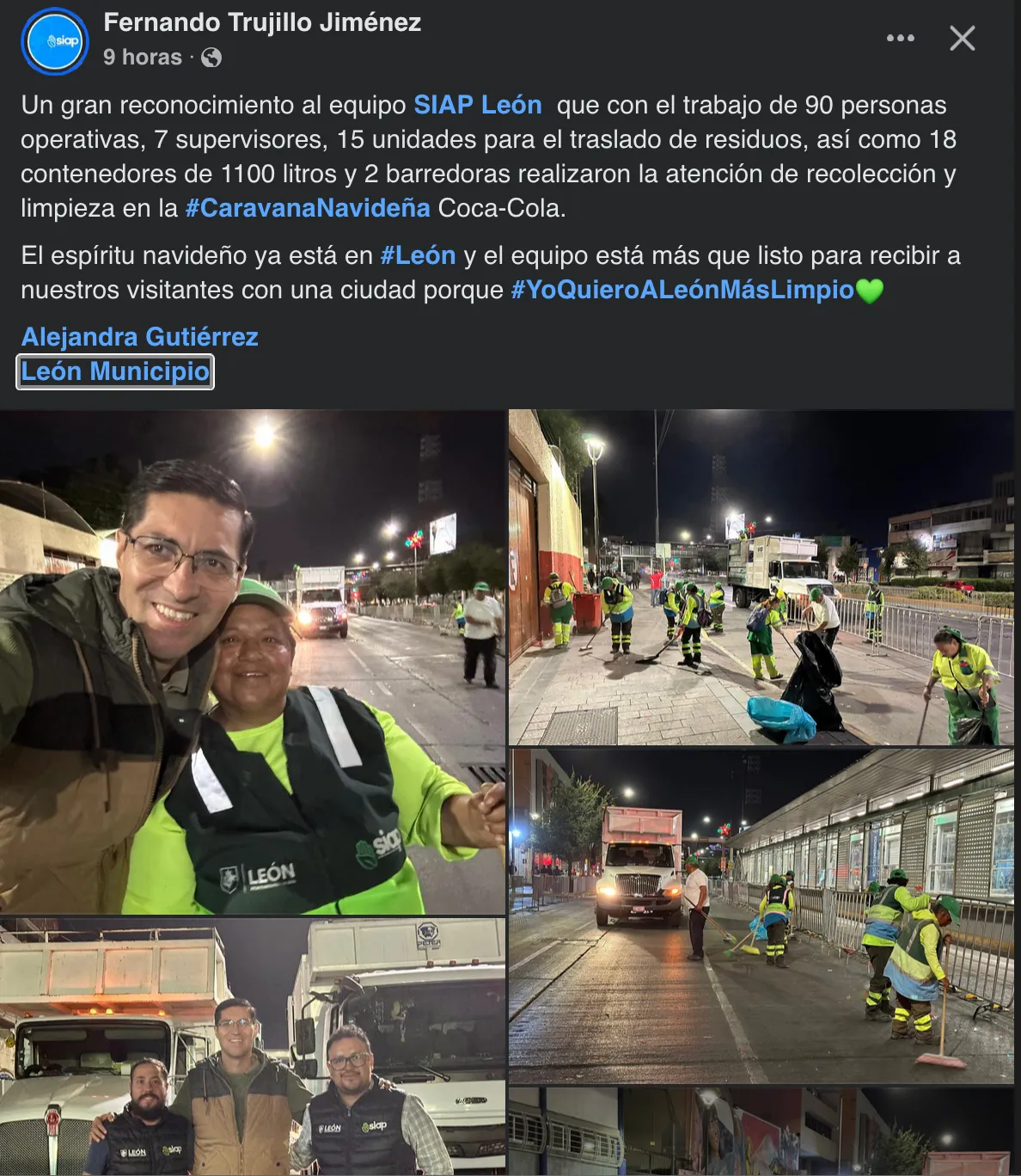
The caravan brought together 4.7 million people on a 72-kilometer route; at the end of the event, 101.5 tons of total garbage were collected, as reported by some of the municipalities.
Coca-Cola is identified by international organizations as one of the largest generators of plastic waste. A global tracking of plastic waste from 2018 to 2022 found that 11 percent was packaging from this company.
According to some reports, the soft drink company uses 3 million tons of plastic per year. An analysis by environmental organizations of the measures implemented by the company shows that although strategies to reduce its product packaging are advertised, “their disposability and their mainly petroleum-based origin prevail”.
In fact, research from the University of Rhode Island reveals that initiatives such as Coca Cola’s “World Without Waste” initiative can “exacerbate the global plastic pollution crisis through ineffective and inequitable waste governance approaches that perpetuate unequal burdens of plastic pollution”.
While the caravans were taking place, Coca-Cola announced that it was abandoning its commitment to increasing the use of reusable containers by 2030. It was also made known that the company would use more plastic bottles given the tariffs imposed by US President Donald Trump.
When citizens oppose
With the intention of offering a December activity that promotes healthy practices, the “Sembradoras” collective of Melchor Ocampo, in the State of Mexico, proposed to carry out a Caravan without Coca-Cola. The idea was to have a route that participants could travel by bicycle, skates, scooters or wheelchairs, and that at the end of this, one could partake in healthy foods and drinks. However, the administration did not support the initiative and simply had the caravan.
Ivette Ramos Gómez, member of Sembradoras, explains to Poplab that their opposition to the soft drink company’s Christmas parade is because, in addition to the damage to health caused by the products and the pollution they generate, it’s also a centralized event that leaves aside local and indigenous traditions, “which only brings marketing benefits to the company”.
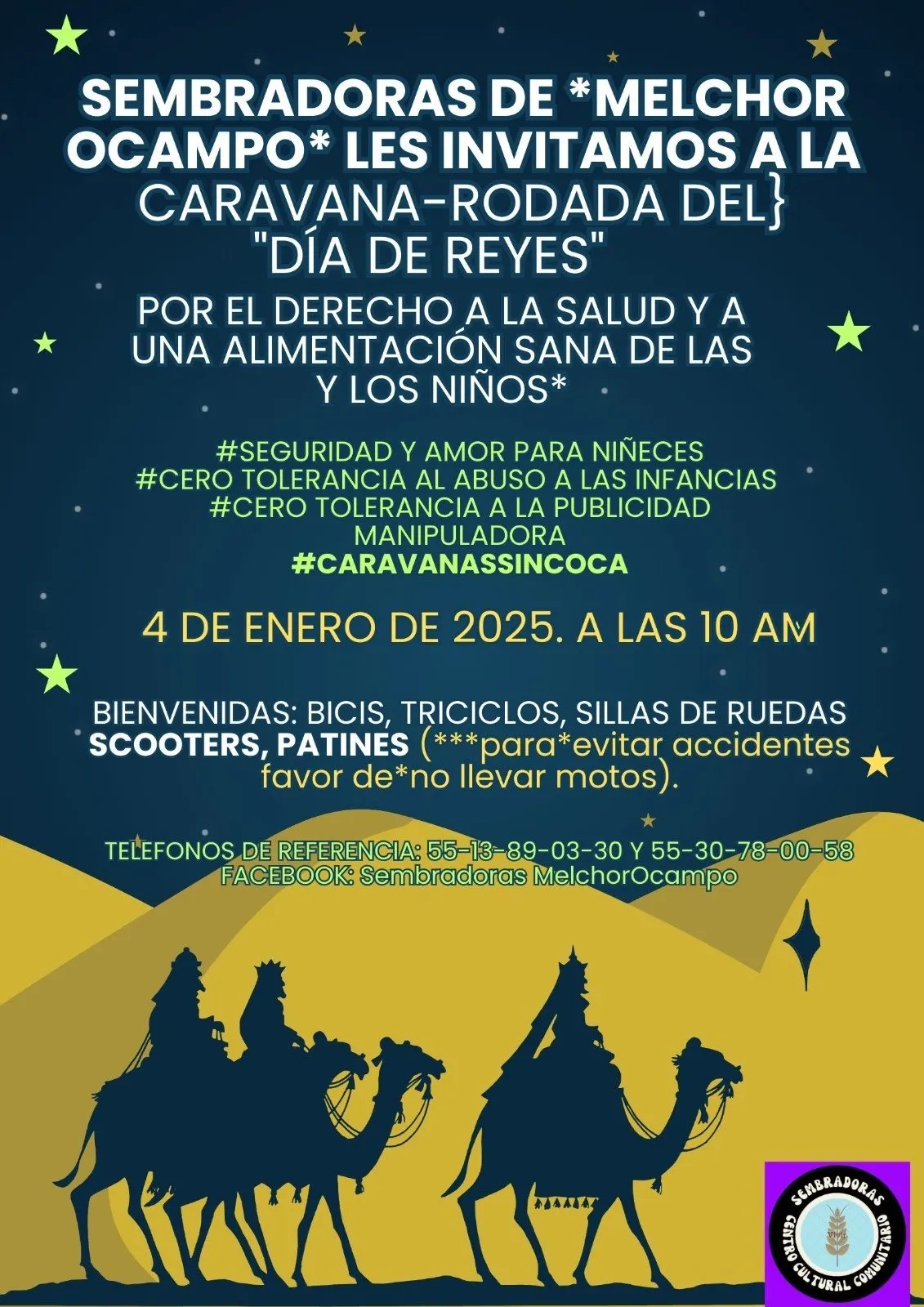
Sembradoras is a collective made up of professional women, farmers and housewives from Melchor Ocampo, focused on mediating the needs of the community, the countryside and the authorities, in areas such as healthy eating, protection of children and adolescents, the human right to water, and the defense of the land.
Ramos Gomez, who is also part of the Alliance for Food Health, laments the use of public resources in the caravan and points out that there are alternatives to celebrate the Christmas season according to traditions of locals and indigenous peoples, such as the posadas. “The issue is for political will to exist for the municipalities to look at them and not use them, but support them so that all these traditions can spread and be preserved.”
Currently, Sembradoras is preparing a document to send to President Claudia Sheinbaum, governors and mayors to request they do not authorize any more caravans. If you want to sign the petition, you can do it here.
In Mexico City, social pressure worked. After criticism by the organization El Poder del Consumidor, the event was cancelled. This organization filed a health complaint with the Federal Commission for the Protection of Health Risks (Cofepris in spanish), a complaint to the Federal Consumer Protection Agency and 20 injunctions filed with federal and state human rights organizations.
Of these legal actions, 22 are currently underway. The state human rights authorities that have rejected the complaints are from the states of Jalisco, Guanajuato, Mexico City, Veracruz, Aguascalientes, Nayarit, Mexico State, Colima, Chiapas, and Coahuila. In most cases, the argument used is that the Coca-Cola bottlers are not authorities and do not see any non-compliance by local authorities.
The cost in public health
The most severe criticism of the caravan is that it is allowed despite the impact on health that has placed Mexico in a crisis due to diseases associated with the consumption of sugary drinks.
Diabetes was the second leading cause of death in Mexico for people over the age of 25; in six states where the procession was held, death rates from this disease exceed the national average.
According to information provided by the federal government, between the IMSS, ISSSTE, and IMSS Bienestar, nearly 10 million dollars are allocated to treat conditions caused by overweight and obesity: diabetes, hypertension, chronic kidney failure. Currently, 100 thousand patients are provided with dialysis services, which costs the health sector around 23 thousand dollars per patient per year.
The INSP researcher Cruz Casarrubias indicates that, in many Mexican cities, such as Tuxtla Gutierrez, children not only face problems related to overweight and obesity, but at the same time experience a lack of access to healthy foods such as fruits, vegetables, and legumes. This is what is called the double burden of malnutrition.
Ivette Ramos asks the authorities to prioritize “basic needs and rights: the right to health due to the damage already caused by the high consumption of this soft drink; the right to information; the right to water, due to the high consumption of soft drinks, and separating political power from economic power,” concludes the activist.
If you want to know more about the health effects of sugary drinks, you can consult here.
Fecha de publicación:
26 de octubre de 2025, 20:00
Explora más contenido de estos autores
Descubre más artículos y perspectivas únicas