
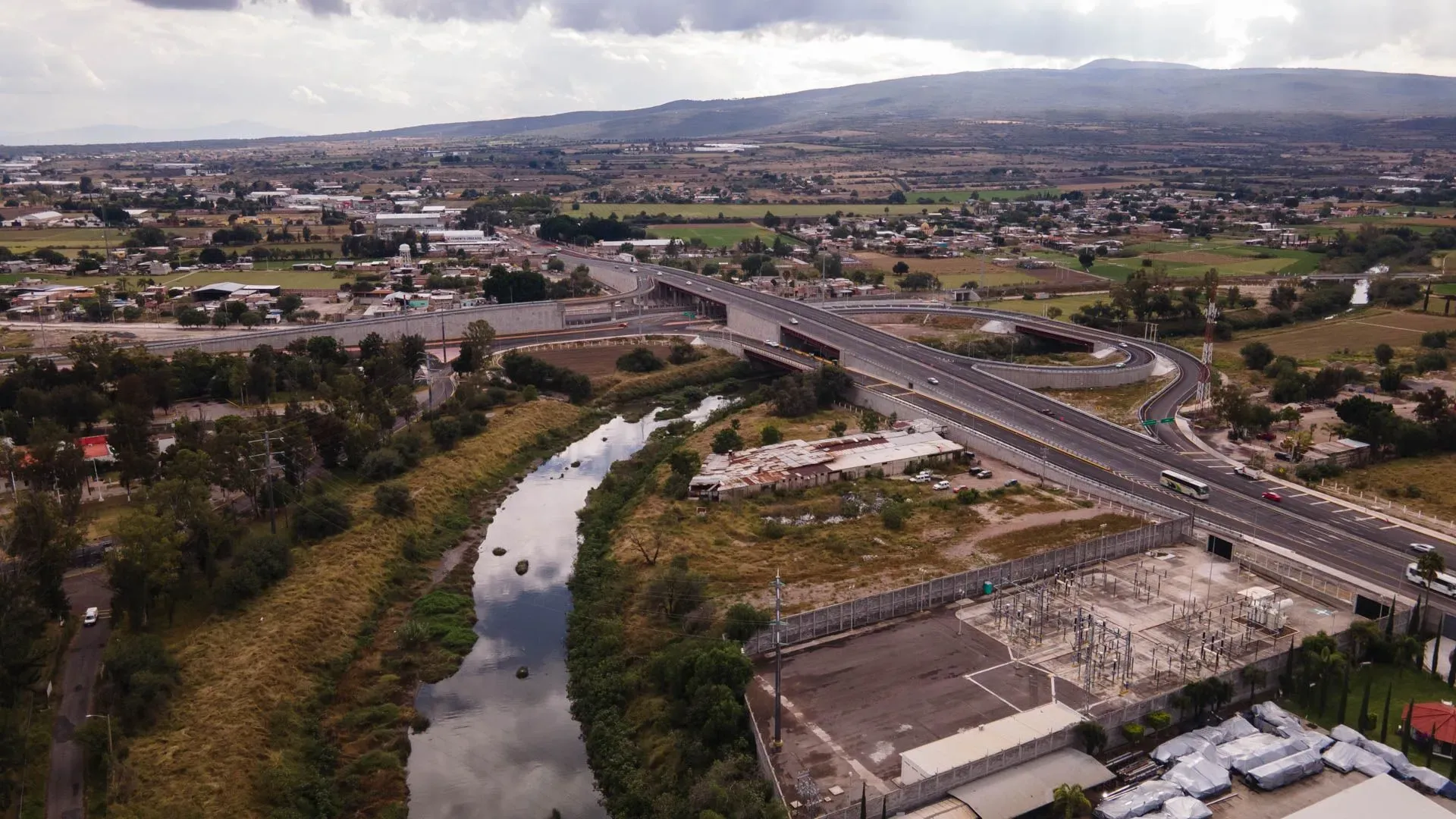
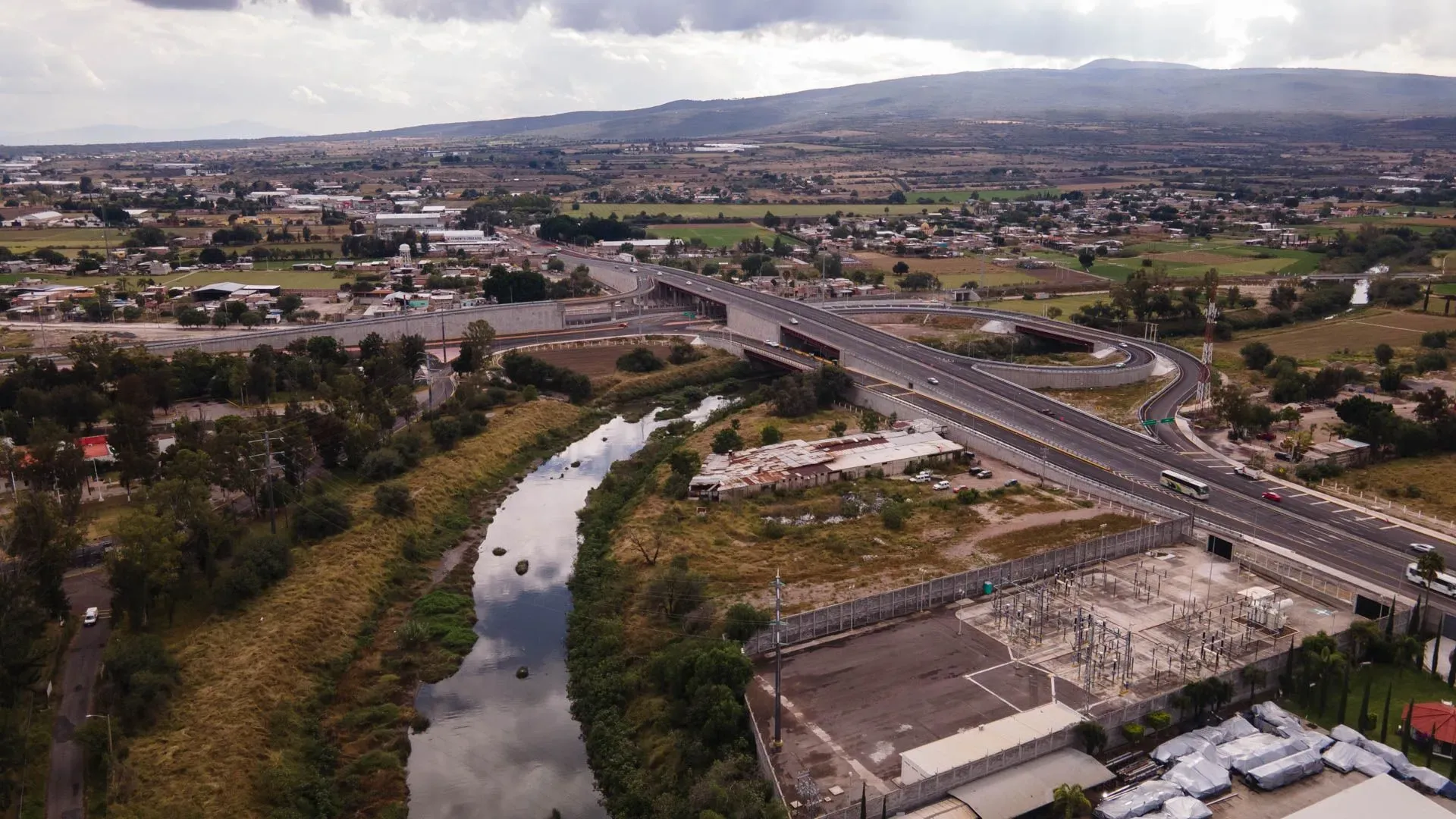


Guanajuato’s Government Prioritizes Industrial Water Despite Water Shortages
Urban residents in Mexico’s central state of Guanajuato face frequent water shortages in their homes throughout the year. Meanwhile, industrial activity consumes potable water, which is later discharged contaminated into dead water bodies.
Fecha de publicación:
19 de febrero de 2024, 00:00
By Yajaira Gasca and Fabián Segura:
Guanajuato’s industry, powered by government policy for the last three decades, is granted 1.5 trillion liters of potable water per year, equivalent to 26 tank trucks for every inhabitant of the state. Yet, the 6 million residents face shortages and rationing that persist beyond the dry season.
The situation would not be as worrisome if a significant portion of this industrial water underwent treatment for reuse instead of being discharged—laden with pollutants such as heavy metals, hydrocarbons, plastics, pharmaceuticals, and agrochemicals—into streams, rivers, and bodies of water across the state.
The discharge of contaminated industrial water has caused environmental damage, resulting in Guanajuato being classified as an Environmental Emergency Region by the National Council of Humanities, Science, and Technology (CONAHCYT).
Data from the Public Registry of Water Rights (REPDA), processed by POPLab, reveal that this volume of industrial water in the state is allocated in over 600 concessions for national and transnational companies, as well as parastatals. The Guanajuato State Water Commission (CEAG), however, possesses contrasting data regarding this amount, highlighting the authorities’ lack of knowledge regarding water use in this sector.
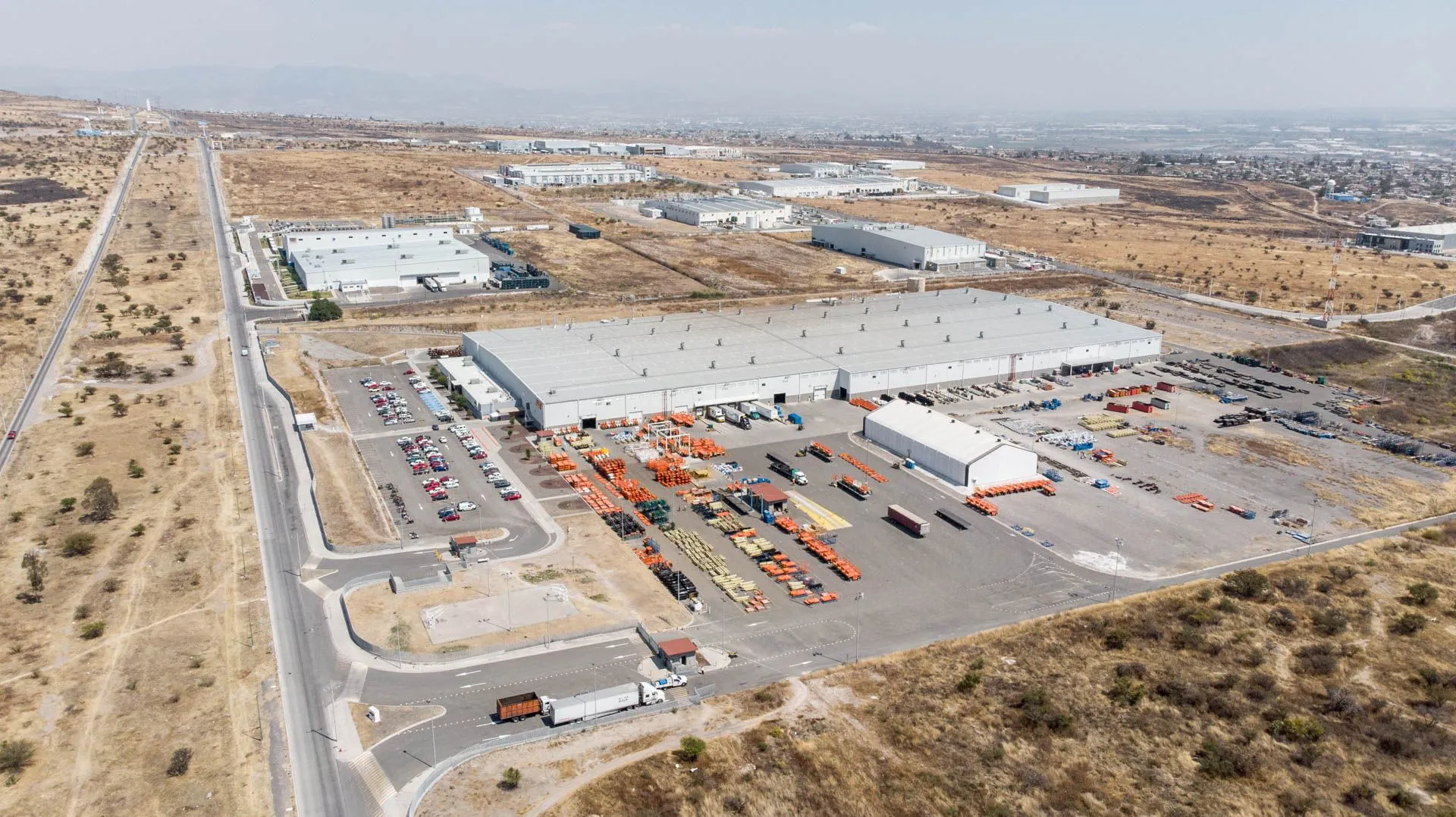
Colinas De León Industrial Park, located in the city of León, Guanajuato.
Credit: Juan José L. Plascencia
This unprecedented contamination strip extends from the city of León, Guanajuato, along the entire industrial corridor, including other cities in the state such as Celaya and Irapuato. Its development coincides with the industrial parks project promoted by Mexico’s former president Ernesto Zedillo’s administration in 1996 as part of the National Development Plan.
In Guanajuato, the economic policy of the administrations led by the National Action Party (PAN), which has governed the state over the last 30 years, has consistently focused on attracting investment to generate wealth and new employment opportunities.
Currently, 19 out of the 20 aquifers that supply the territory experience deficits, according to the most recent version of the State Water Program (2015). The state faces a drought that may be prolonged due the impacts of climate change, and the population endures the health consequences of water pollution, while industrial expansion persists.
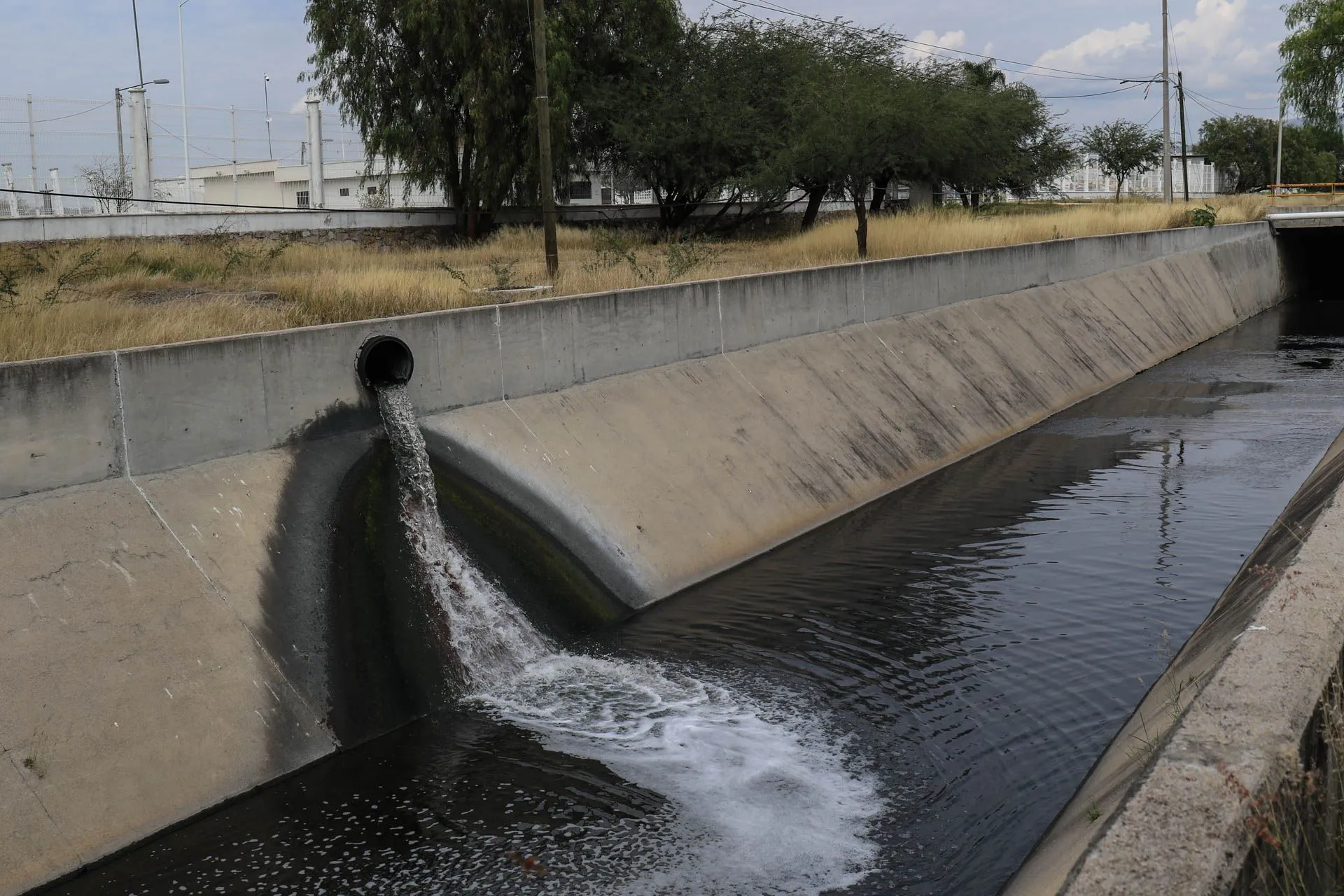
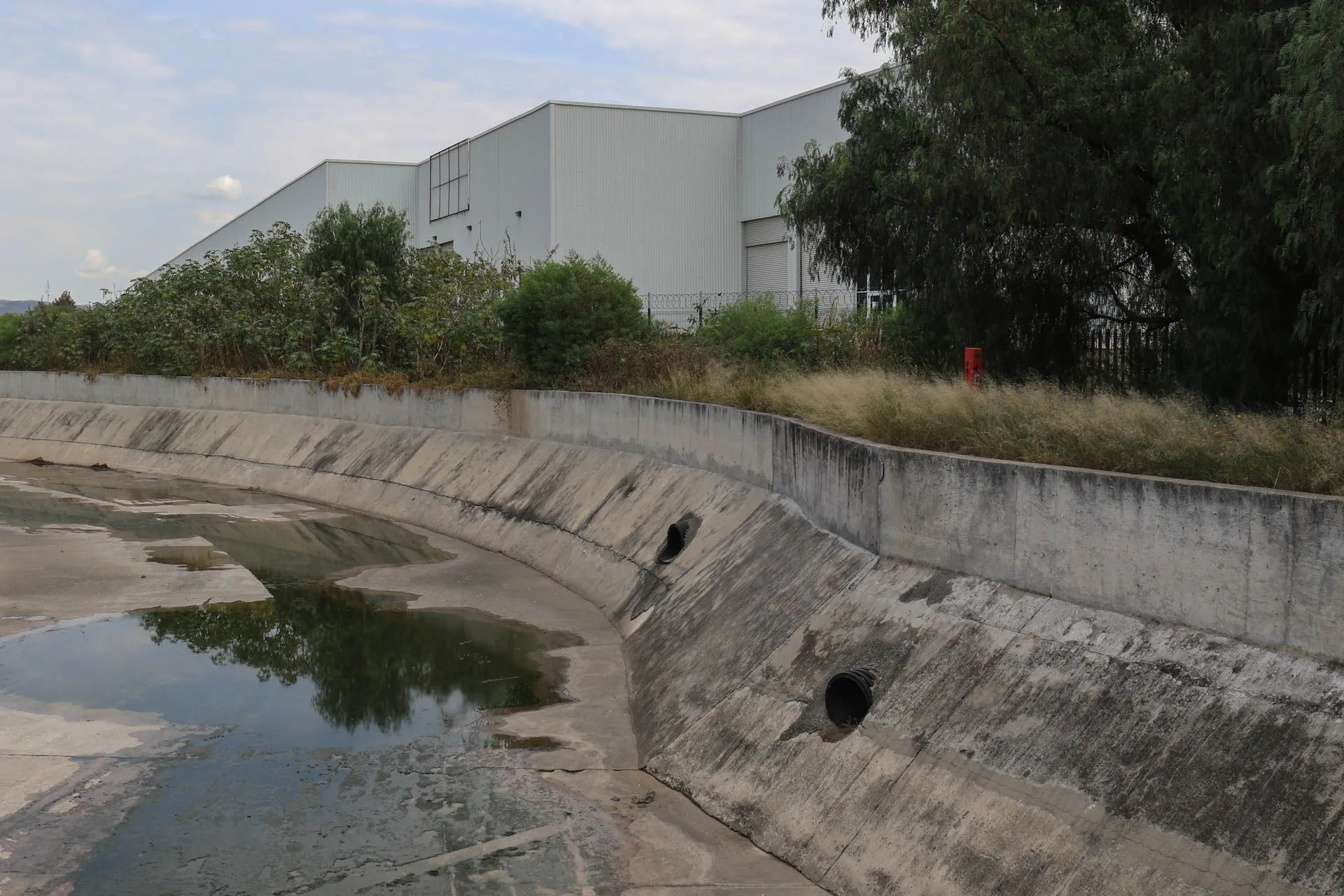
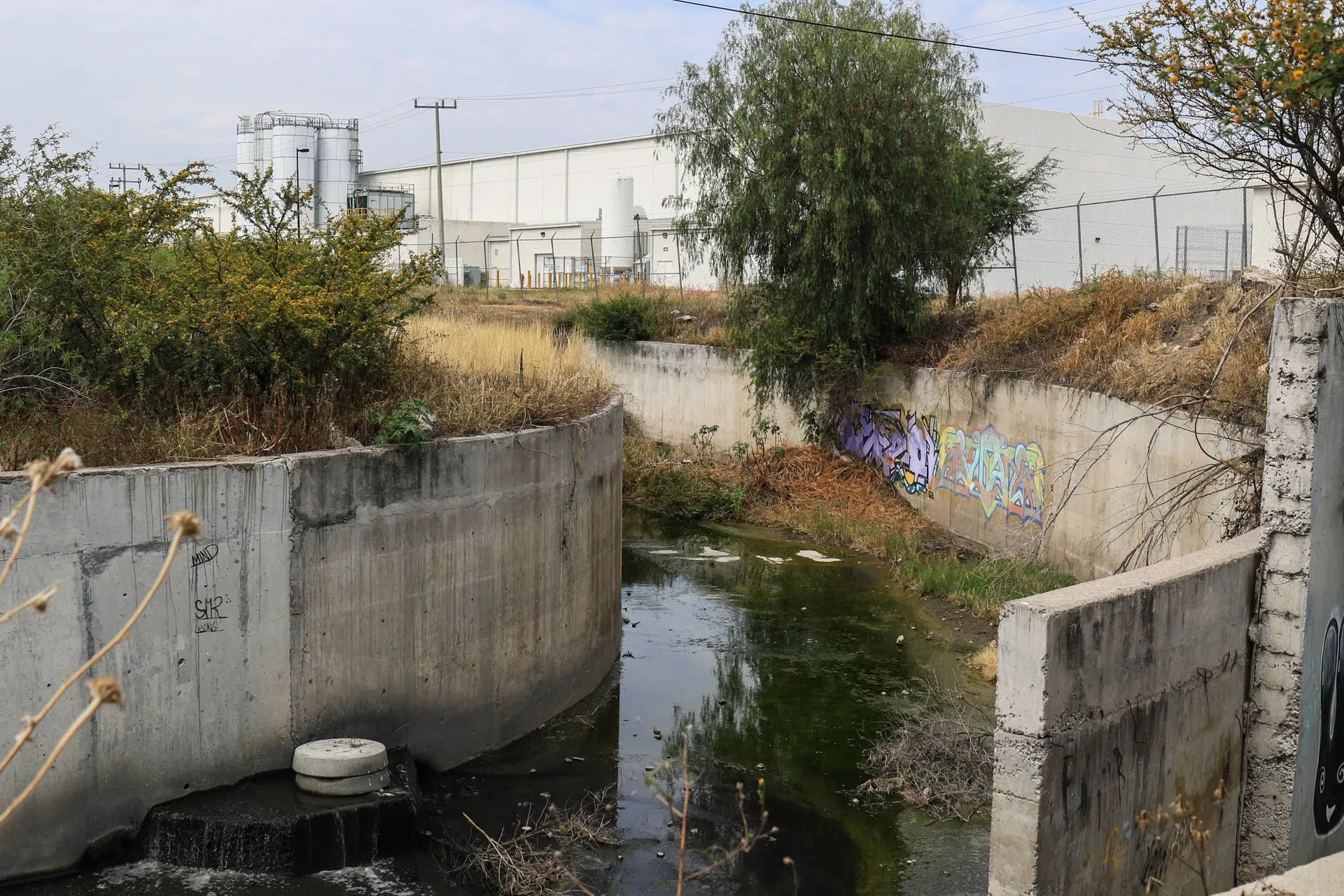
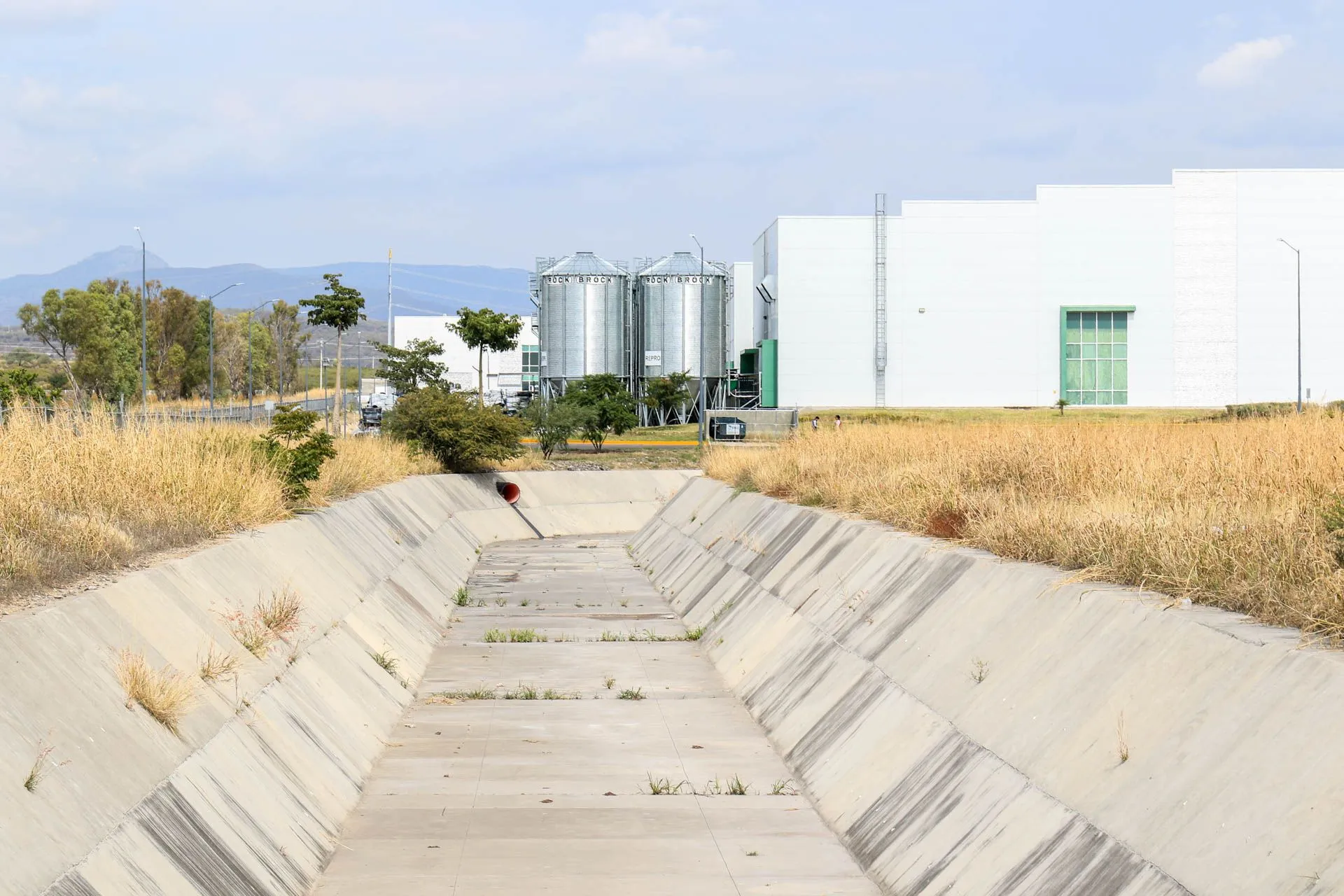
River discharges at the Puerto Interior industrial park, located in the municipality of Silao, Guanajuato.
Credit: Juan José L. Plascencia
The Laja, a river in agony
The Laja River spans for over 200 kilometers across Guanajuato, originating at the Jesús María dam in San Felipe. It flows through Dolores Hidalgo, San Miguel de Allende, and Comonfort, until reaching Apaseo el Alto, Apaseo el Grande, Villagrán, and Cortazar.
In the lower part of the river, evidence indicates the poor health of the basin’s ecosystemic functions, that is, its biological, geochemical, and physical processes have deteriorated, said Miguel Sarmiento Martínez, an expert in sustainable development and integrated basin management, who describes it as an “an almost dead basin.”
In this area, the researcher has studied and documented the decline of the natural vegetation cover of the basin and the riparian vegetation -plants and flowers- along the main river and other tributaries.
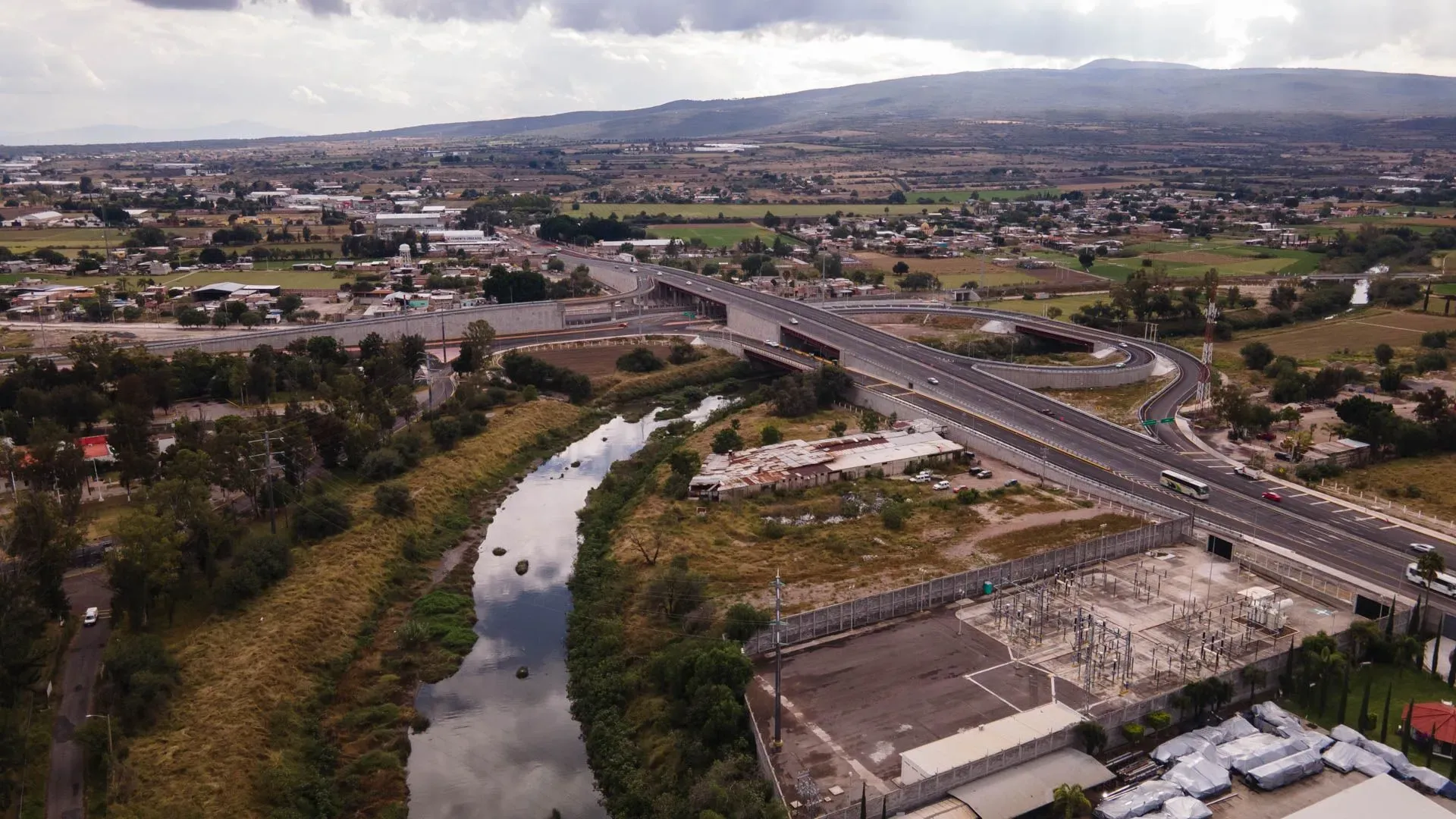
Laja River in the municipality of Celaya, Guanajuato.
Credit: Juan José L. Plascencia
The specialist explained that the most visible damage occurs when a tributary flows through Celaya, where it transforms into a rain and sewage channel, losing almost entirely its riparian composition. This composition constitutes the transition zone between the aquatic and terrestrial environment, encompassing both biotic and abiotic elements.
Sarmiento Martínez has also identified the loss of hydrogeomorphological qualities, referring to the forms and processes of the landscape shaped by water and geology in the channel and floodplains. His team conducted this assessment through monitoring visits and sample collection. He further emphasized evidence of contamination and flow reduction in this region, but these results are still undergoing analysis and are not yet public.
During a tour, POPLab witnessed the stench emanating from the current, which in some sections resembles a flow of sewage, foam, and mud, while in others, it becomes thick, akin to a black cream.
Insufficient personnel amidst major challenges
Along the more than 200 kilometers of the Laja River, there are problems such as illegal sand extraction—primarily documented in Comonfort and Dolores Hidalgo- and illegal discharges.
REPDA data indicate that over one billion liters of contaminated water are discharged into this river in Celaya. Industrial discharges in the region exceed 200 million liters per year, equivalent to 20 thousand tank trucks of polluted water.
On the other hand, the total volume of national water extraction is 230 billion liters. This amount would be sufficient to supply a minimum of 50 liters to over 12 thousand people for an entire year.
Pollution problems of this river extend to other regions, though. According to REPDA data, industrial discharges also occur in Apaseo el Alto, Dolores Hidalgo, and San Miguel de Allende.
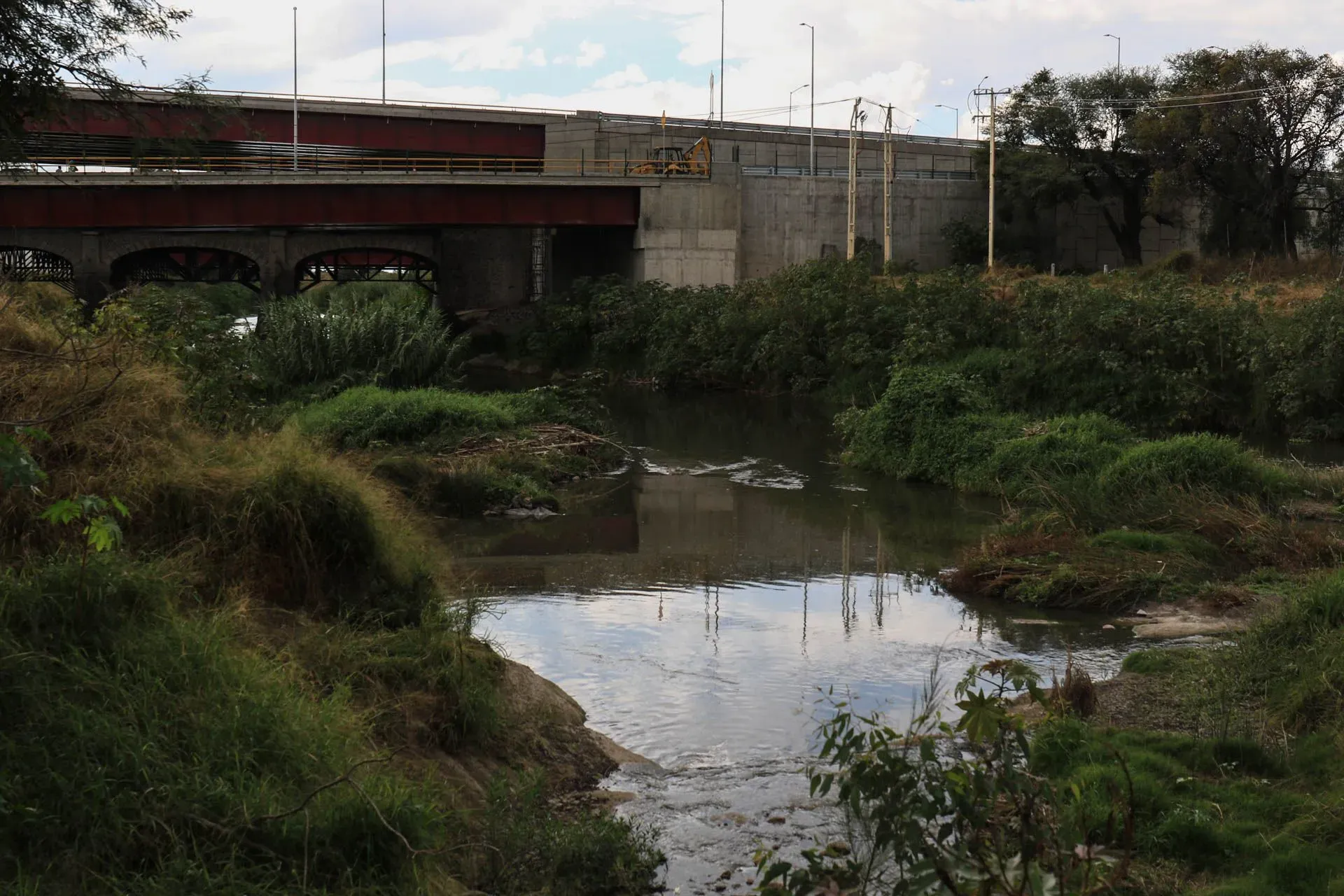
Laja River, near the Honda de México automotive plant, in the municipality of Celaya, Guanajuato.
Authorizations for discharges from slaughterhouses and agribusiness were also found in these municipalities. The poultry company Bachoco, S.A. de C.V., stands out, with at least 16 wastewater discharge concessions.
Environmental studies related to chicken production indicate that this industry generates significant contamination of water sources due to the excrement and blood from animal slaughter.
These processes generate macronutrients such as nitrogen, phosphorus, and potassium, as well as micronutrients that can produce volatile compounds and gases like ammonia, methane, nitrous oxide, and even heavy metals and traces of antibiotics, all of which impact ecosystems. Polluting discharges by Bachoco in Celaya have been reported since 2007.
In 2023, the National Water Commission (Conagua) conducted only 133 inspection visits in Guanajuato, resulting in 110 procedures for the use of national waters. Fines for concession misuse range from 180 thousand to over two million pesos.
A toxic mixture that impacts health
Studies conducted by the National Autonomous University of Mexico (UNAM) on water quality in the Laja and Lerma rivers confirm high levels of contamination in both surface and groundwater. According to experts, this is indicative of the expansion of industry and inadequate wastewater treatment.
Researcher Omar Arellano Aguilar, a specialist in ecological risk assessment and ecotoxicology in aquatic systems, revealed that heavy metals, hydrocarbons, plastics, pharmaceuticals, and agrochemicals are frequently detected in rivers and streams in Guanajuato. These pollutants are often mixed with pathogenic organisms derived from domestic wastewater.
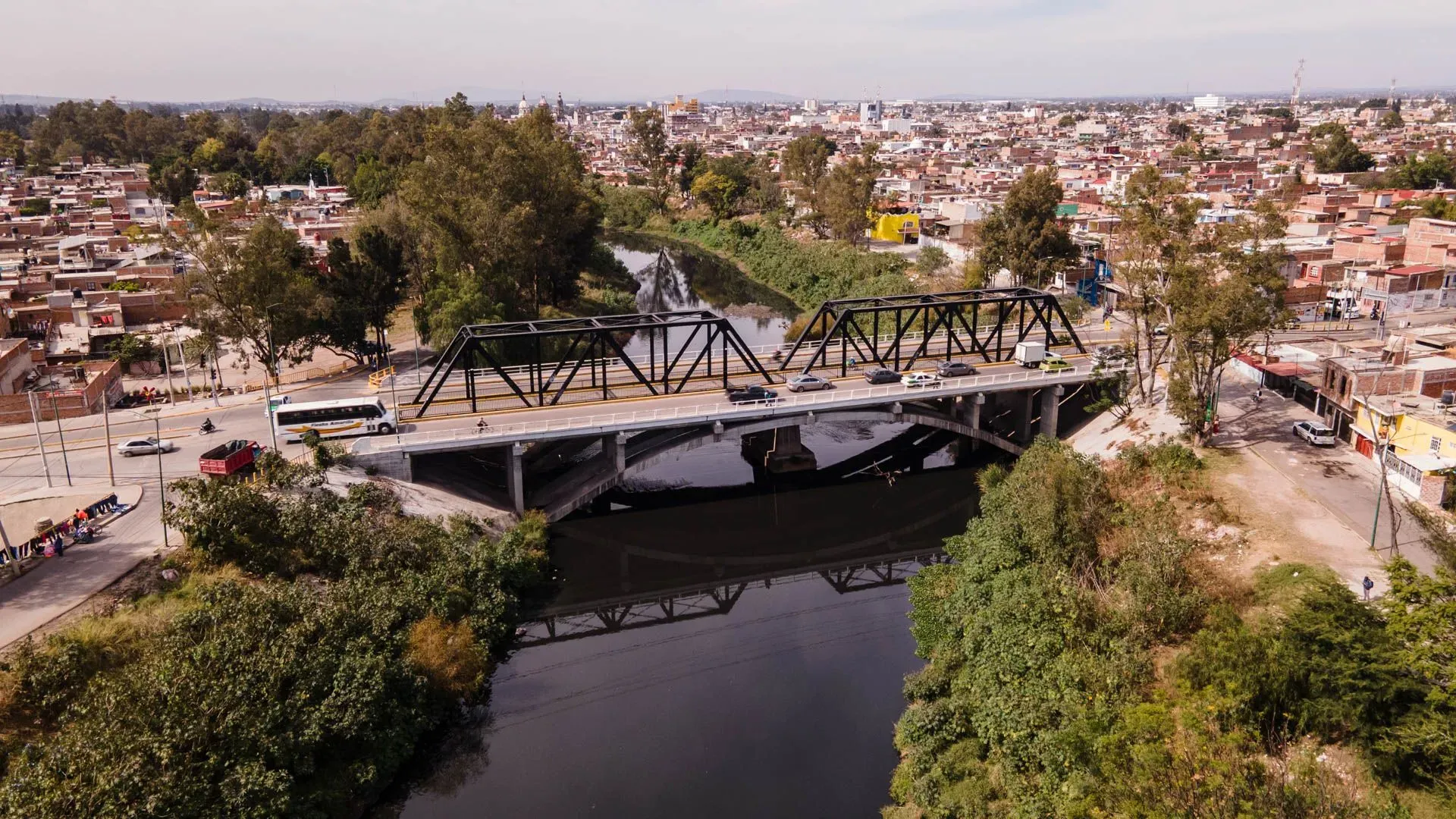
Lerma River in the municipality of Salamanca, Guanajuato. Credit Juan José L.jpg
This highly toxic mixture poses risks to aquatic ecosystems, he warned, and it may also impact people’s health.
The Mexican Official Norm 001 establishes the permissible limits of pollutants in wastewater discharges into receiving bodies, which are owned by the nation. However, there is uncertainty about its compliance in Guanajuato. The Conagua has only ten inspectors to review the use of 24,424 water concessions in the state.
"This norm has not been modified in the last 25 years. An Official Mexican Norm does not mean that we will automatically recover the rivers, because this norm does not cover the range of pollutants used by industry,” Arellano Aguilar explained, for example, emerging pollutants such as textalate, dioxins, pharmaceuticals, agrochemicals.
This regulation also fails to consider the microplastics currently produced by the industry, he added. A study carried out by the University of Guanajuato confirmed the presence of microplastics in at least 17 samples obtained from the Guanajuato River.
Arellano Aguilar highlighted the need for approving reforms to the General Water Law and for establishing closed areas in environmental emergency regions while their ecosystems are being restored. This is crucial because, in the case of the Bajío, the region in which Guanajuato is located, climate change could lead to serious consequences, such as prolonged droughts.
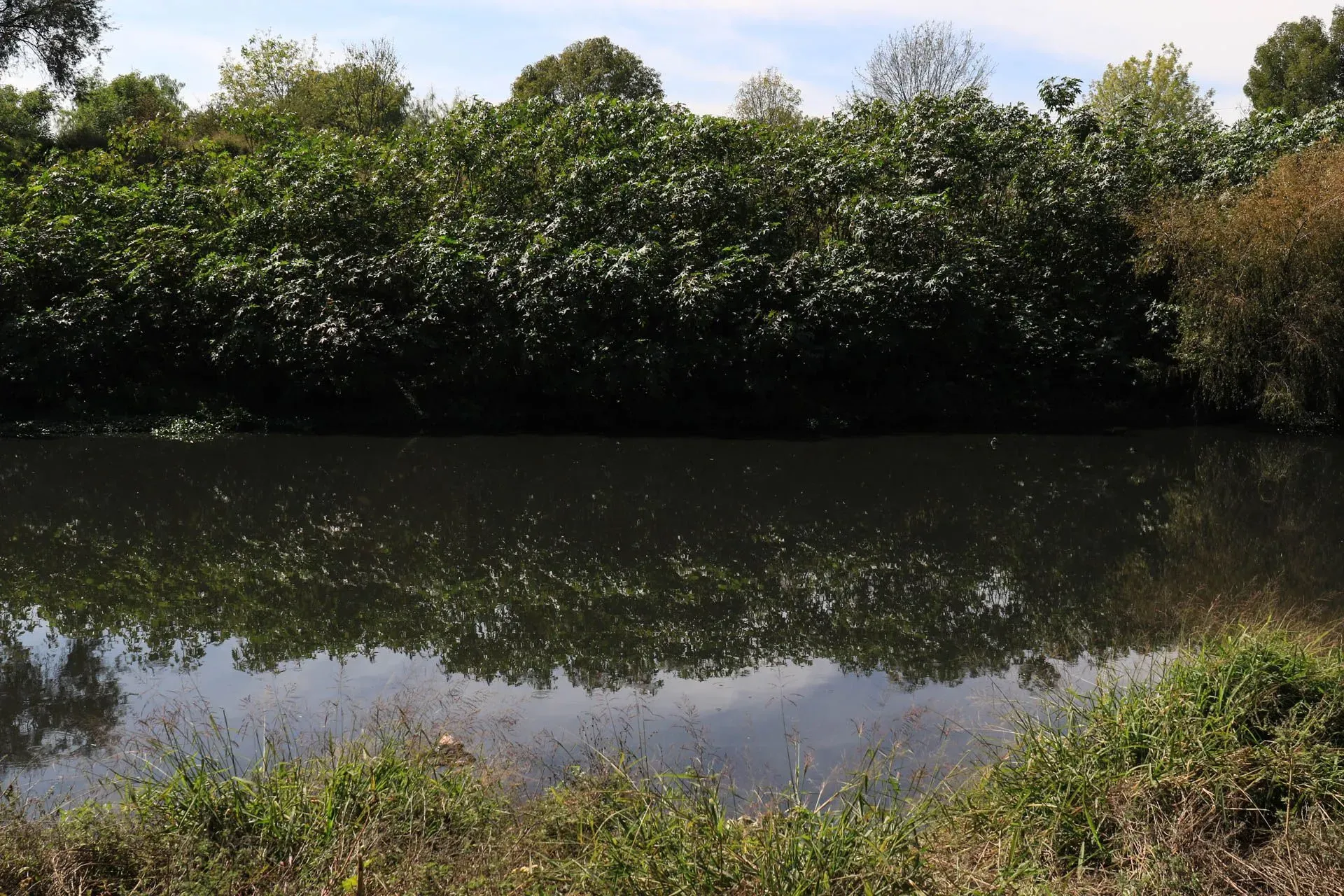
A foul smell is immediately perceived at the foot of the Lerma River in the municipality of Salamanca.
Credit: Juan José L. Plascencia
Currently, 19 of the 20 aquifers that supply the state experience deficits, according to the State Water Program conducted in 2015. However, state policy continues to focus on promoting the territory as a strategic point for export to the United States.
Guanajuato is currently the second most water-stressed entity in Mexico, as reported by the World Resources Institute (WRI). According to data from Conagua, the accumulated rainfall decreased from 640 millimeters in 2015 to 280 in 2023, indicating that the entity is experiencing a severe drought.
Automotive greatness at the expense of water resources
According to a laboratory specializing in water technologies, an average of 4,000 liters of water is used in manufacturing a car. In Guanajuato, an average of 850,000 cars were manufactured in 2023, according to Rolando Alaniz Rosales, the president of the Guanajuato Automotive Cluster, who reported this number in an interview with the local public television station TV4 in September of last year.
This means that the automotive industry used 3.4 million liters of water solely in the production of cars in 2023.
Information from the Ministry of Economic Development reveals that the state ranks first nationally in vehicle production. By 2030, the State Government has set the goal of producing more than one million cars, which would imply a greater use of water.
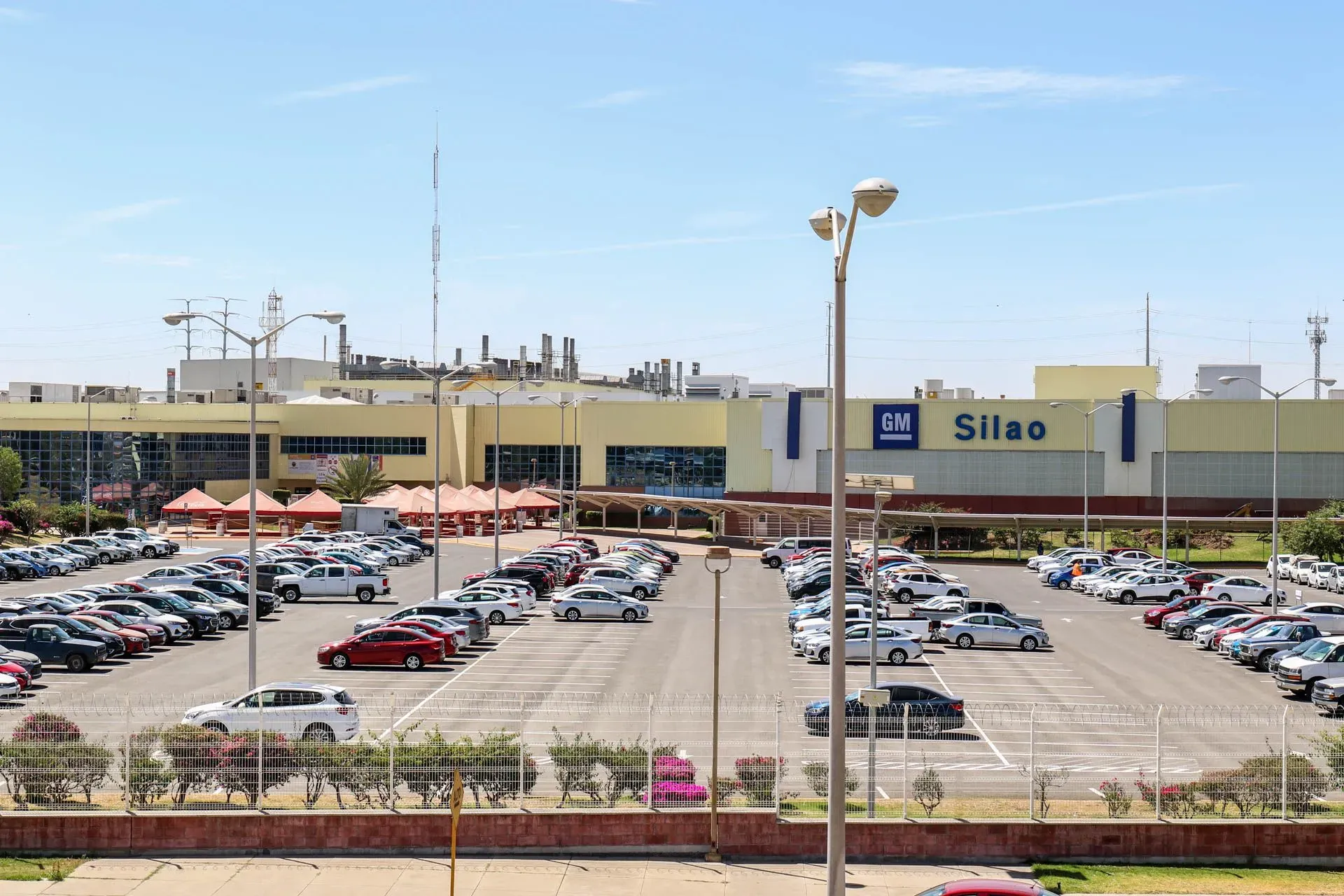
General Motors assembly plant in the municipality of Silao, Guanajuato.
Credit: Juan José L. Plascencia
There are five automotive assembly plants in Guanajuato: General Motors in Silao, Honda in Celaya, Mazda in Salamanca, Toyota in Apaseo el Grande, and Hino Motors in Silao. Four of them accumulate a concessioned water volume of 2,950 million liters and discharges of 657 million liters.
In the Conagua’s concession system, no records were found under the name of the Hino Motors assembly plant, located in the Interior Port industrial park in Silao. However, the REPDA shows at least six records of concessions under the name of this industrial park for 1,607 million liters and discharges for 1,218 million liters.
The director of the State Water Commission, Francisco de Jesús García León, said that industry in Guanajuato consumes 150 billion liters per year, a figure that contradicts the REPDA records showing concessions for up to 1.5 trillion liters.
He emphasized that the industry is the sector with the most efficient water use. Nonetheless, the State Commission lacks the authority for inspection, surveillance, measurement, and control of national waters to verify proper use, since this responsibility falls exclusively under the Conagua.
García de León added that Guanajuato currently faces a deficit of 850 million cubic meters concerning groundwater exploitation. Furthermore, studies on aquifer availability in the entity are undergoing updates, he said, and efforts are underway to develop a plan for water use for the next 25 years, along with a local water law.
The collapse of two tributaries
Chemical, agro-industrial, and agricultural industries converge in Salamanca, where the Lerma River and the Laja River also coexist. Tributaries of both rivers meet near the communities of Los Vázquez, and industrial discharges have been reported in this area.
Residents of Los Vázquez have complained for years about bad odors and health problems resulting from illegal discharges from tank trucks of unknown origin. Despite filing complaints with environmental authorities, the issue remains unresolved.
According to information from a local newspaper, in May 2021, the Environmental and Land Management Attorney's Office closed the treatment plant in the community of Valtierrilla, located about three kilometers from Los Vázquez, after finding that the plant did not comply with environmental regulations. Private tank trucks were dumping waste into bodies of water that reached the Laja River.
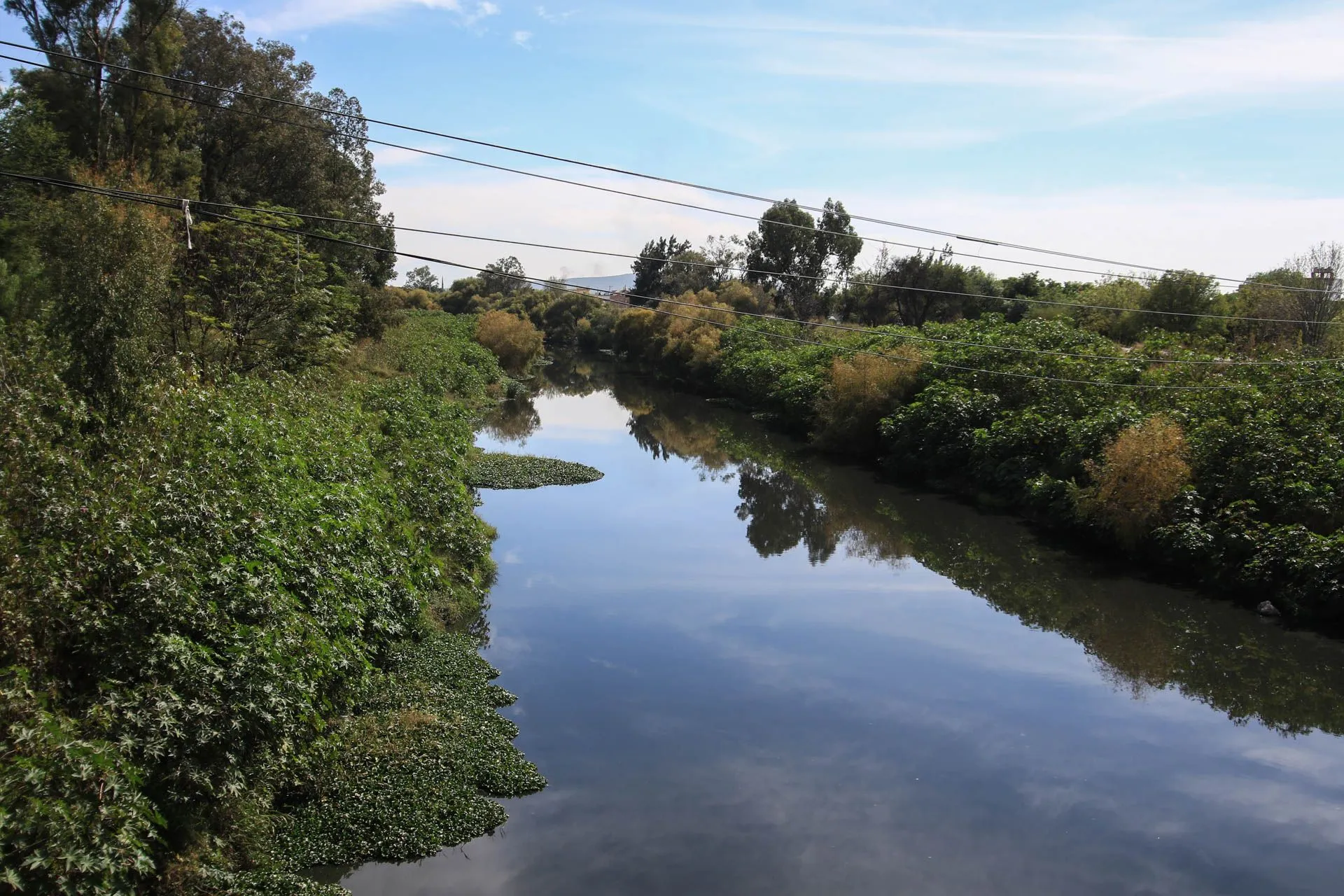
The Lerma River connects with the Laja River near the community of Los Vázquez, in the municipality of Salamanca, Guanajuato.
Credit: Juan José L. Plascencia
On the other hand, environmental organizations in Salamanca warned in October 2023 about the presence of black stains and strong hydrocarbon odors in the Lerma River, attributed to its low level resulting from the lack of rainfall.
The Lerma River traverses at least nine kilometers of Salamanca’s urban area, where it has been receiving discharges from Mexican Petroleum (Pemex) and other highly polluting industries for many decades.
According to REPDA data, there are 111 industrial titles for exploiting national waters in Salamanca, most of them granted to Pemex and the Federal Electricity Commission (CFE) for its thermoelectric plant.
REPDA records annual discharges from Pemex, the Salamanca Drinking Water Committee, and the Mazda company into the Lerma River. According to this registry, Pemex discharges the equivalent of 1,917,000 tank trucks of contaminated water into the river every day.

On the right, former President of Mexico Enrique Peña Nieto and former Governor of Guanajuato Miguel Márquez during the inauguration of the Mazda plant in the municipality of Salamanca, Guanajuato, in 2014.
Credit: Government of Mexico.
The state prioritizes development over the environment
Salamanca serves as the most visible example of the environmental impacts resulting from the state’s commitment to industrial and economic development, argued activist Paulina Uribe from the organization Agenda Ambiental Irapuato.
“In the governmental and economic discourse, these environmental damages are never considered relevant, or are viewed as an externality of development, that is, as a natural consequence. When pursuing rapid economic development, all regulations -especially environmental ones- are made more flexible,” the activist explained.
She said that one of the practices of the Government of Guanajuato related to this issue is offering land to industry with access to water wells in the region, resulting in an inequality problem, as water for citizens is not guaranteed in some areas.
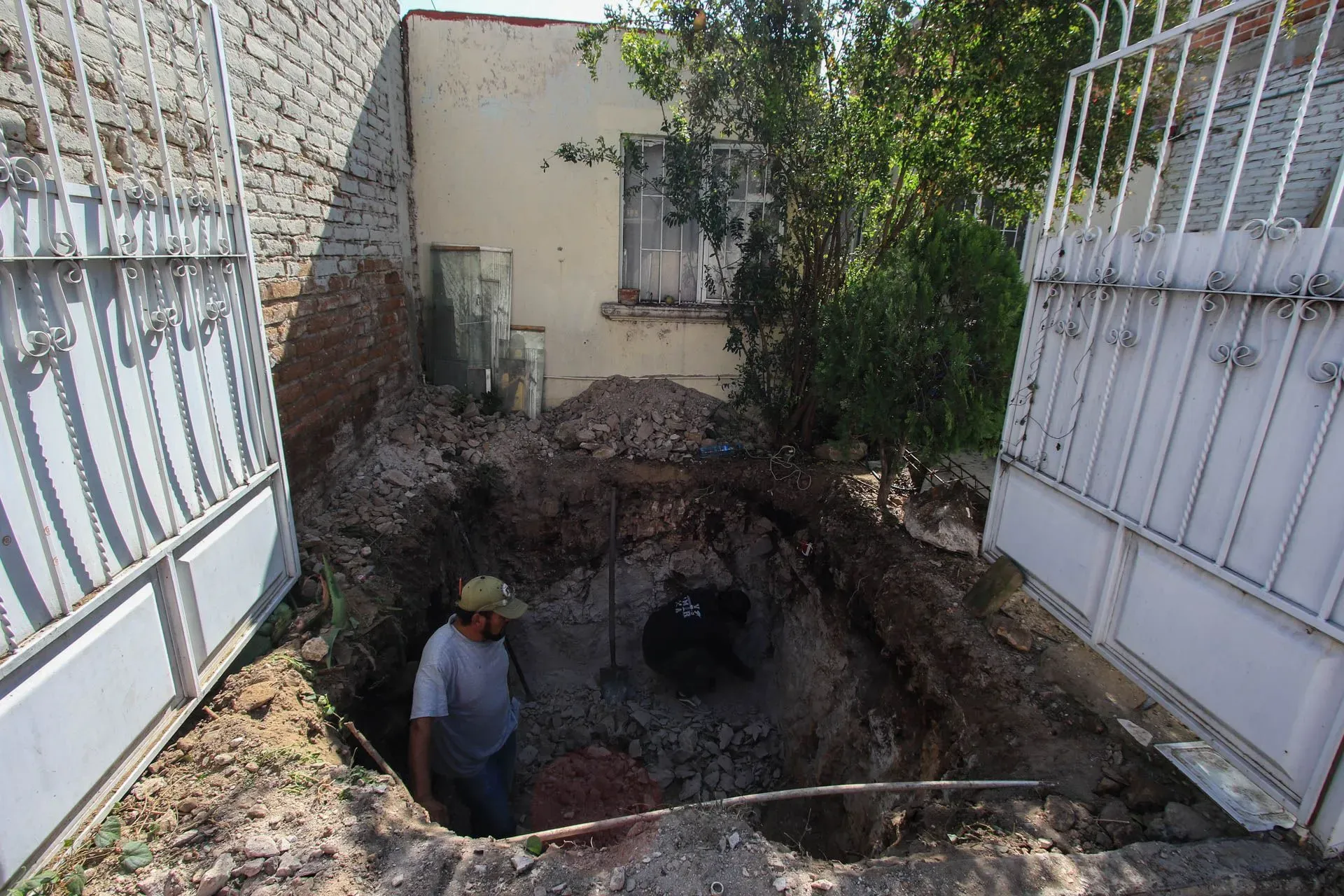
A family in the Rivera de la Presa neighborhood in León, Guanajuato, builds a cistern in their house to store water due to service cuts.
Credit: Juan José L. Plascencia
The State Congress’s official archives contain records of donations promoted by the government of Juan Manuel Oliva Ramírez for the Honda company, a donation made by the government of Miguel Márquez Márquez for the Toyota company, and other lands also donated to the latter transnational company by Governor Diego Sinhue Rodríguez Vallejo, all of them from the National Action Party (PAN).
The State Government has a program that aims to attract companies by promoting national and international investment projects in the state. It offers economic incentives such as land donations, cash incentives for training, infrastructure construction or expansion, and machinery acquisition, according to the regulations of the Secretariat of Sustainable Economic Development, published in the Official Gazette in 2020.

The Governor of Guanajuato, Diego Sinhue Rodríguez, at the inauguration of the Toyota assembly plant in Apaseo El Grande in 2020.
Credit: Guanajuato State Government.
Los López community: scarcity, pestilence, and disease
Located southeast of the city of León, Los López is a community where inhabitants have access to water for only two hours a week. Meanwhile, a milk production company established nearby exploits water from a well in the area that is more than 500 meters deep.
León is the third most populated city in the country with a census of 1,721,000 inhabitants according to the National Institute of Statistics and Geography (INEGI) in 2020, and it ranks as the second most water-stressed city in Mexico. In this context, the industrial sector annually consumes 4,042,135,660 liters of water, contrasting with the reality faced by its citizens who do not have access to water.
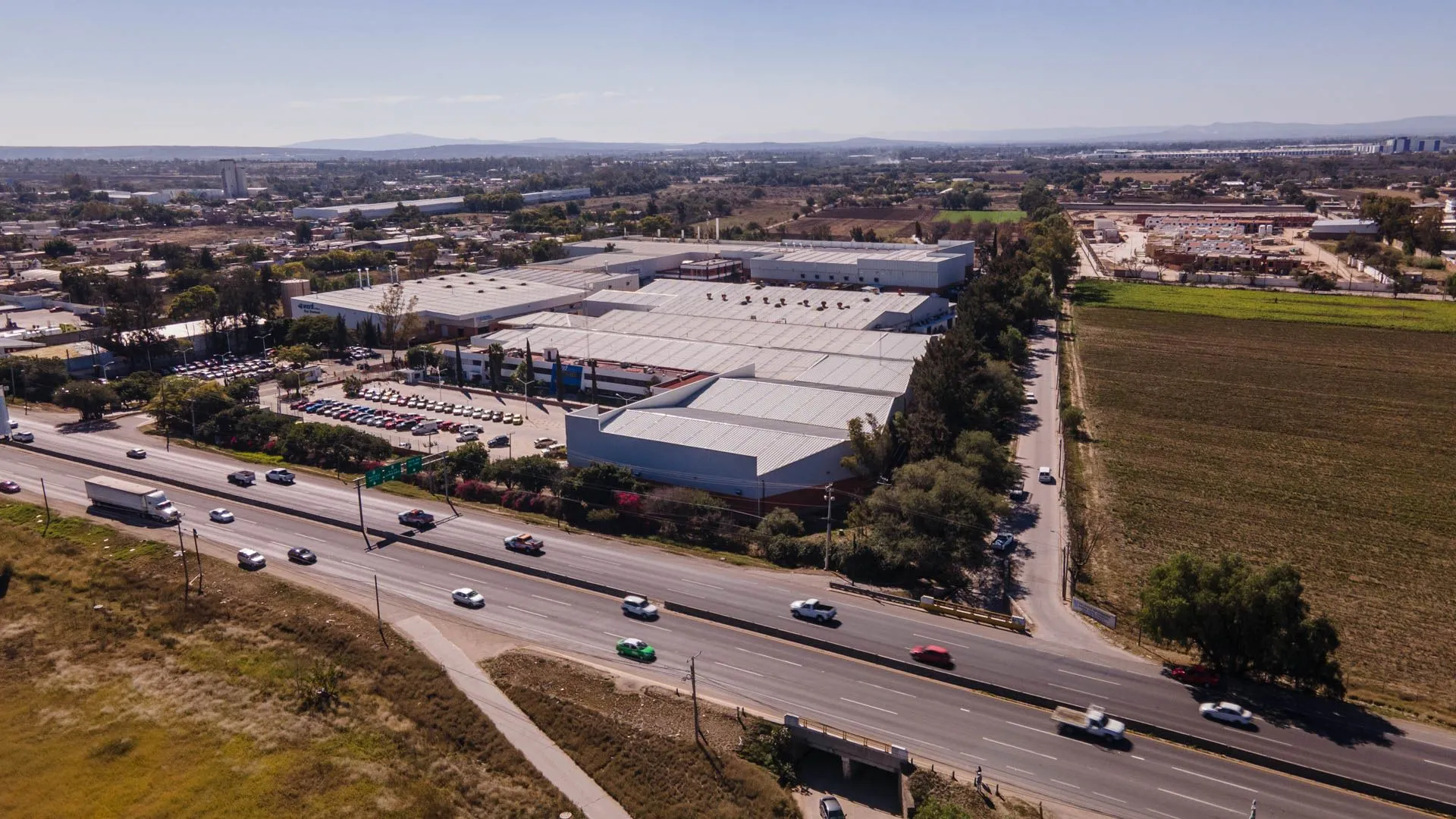
The company SW León, in the community of Los López, in León, Guanajuato.
Credit: Juan José L. Plascencia
The approximately 2,700 residents not only grapple with water scarcity but have also endured river contamination caused by waste from the milk production company Leche León over the last two decades.
REPDA data reveals that Leche León annually discharges up to 348 million liters of contaminated water -equivalent to 348 thousand tank trucks- into the Arroyo del Colgado, which flows into the Turbio River.
The river’s pollution has taken a toll on the health of the inhabitants, leading to stomach infections, dizziness, and headaches.
Further south along the river’s course, a dense layer of waste accumulates on a bridge, comprising sludge, garbage, and other pollutants. Despite residents’ complaints and reports filed with the Conagua, and attempts to engage with company representatives seeking a solution to this problem, they have had no success.
The company SW León, in the community of Los López, in León, Guanajuato.
Credit: Juan José L. Plascencia
The Silao Sur and Rotoplas companies, along with the milk production company Leche León, consume 473,455,000 liters of water. This volume is equivalent to the minimum consumption recommended by the UN for that community for nine and a half years.
According to the residents, their main source of water supply comes from tank trucks. The community’s well only provides water three days a week for 10% of the population, while the rest receives it just once a week; in both cases, the service duration does not exceed two hours per week.
Arellano Aguilar stated that the contamination of water bodies in Guanajuato is a pervasive problem in the central region of the country, where industry has established large industrial corridors since the 1970s.
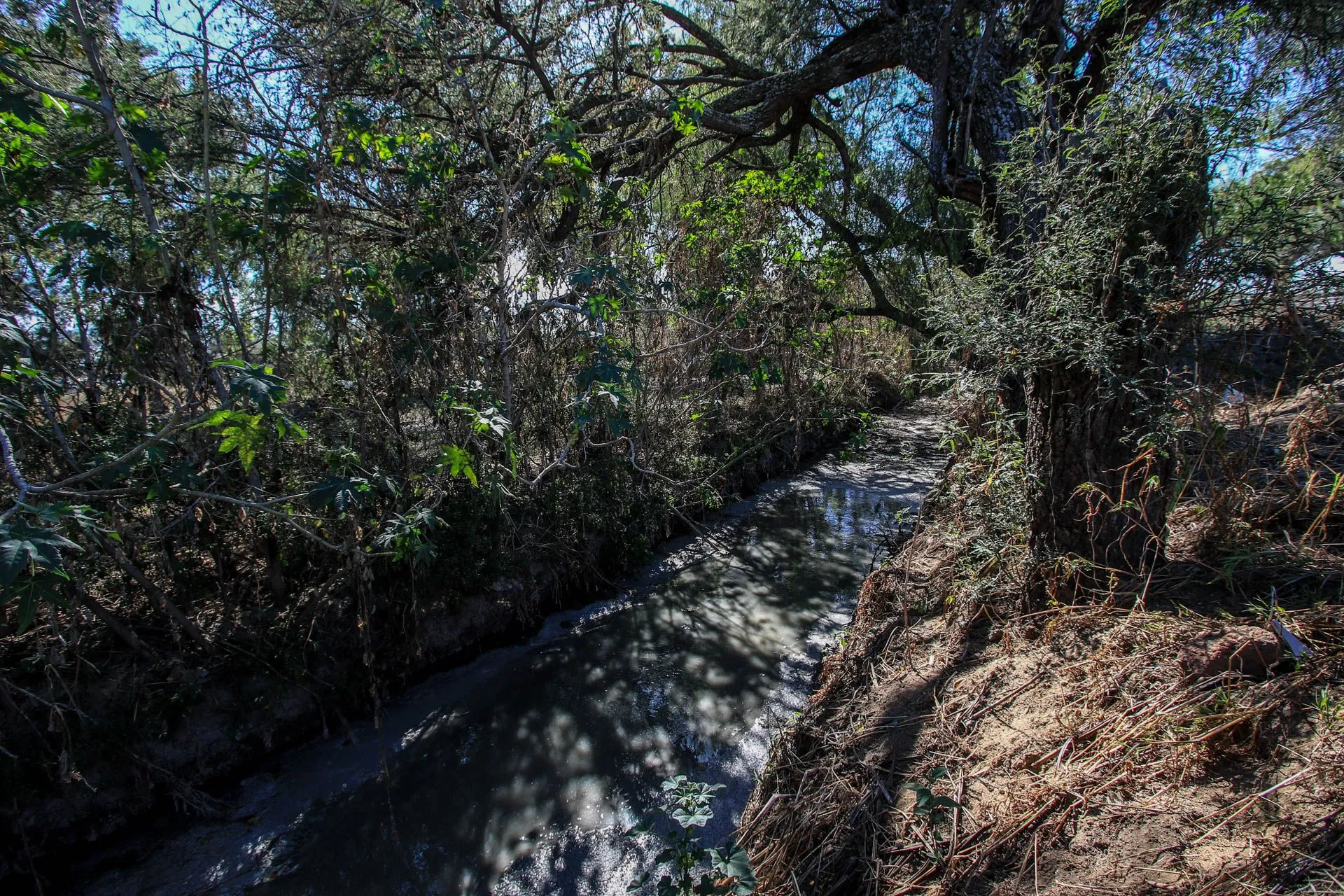
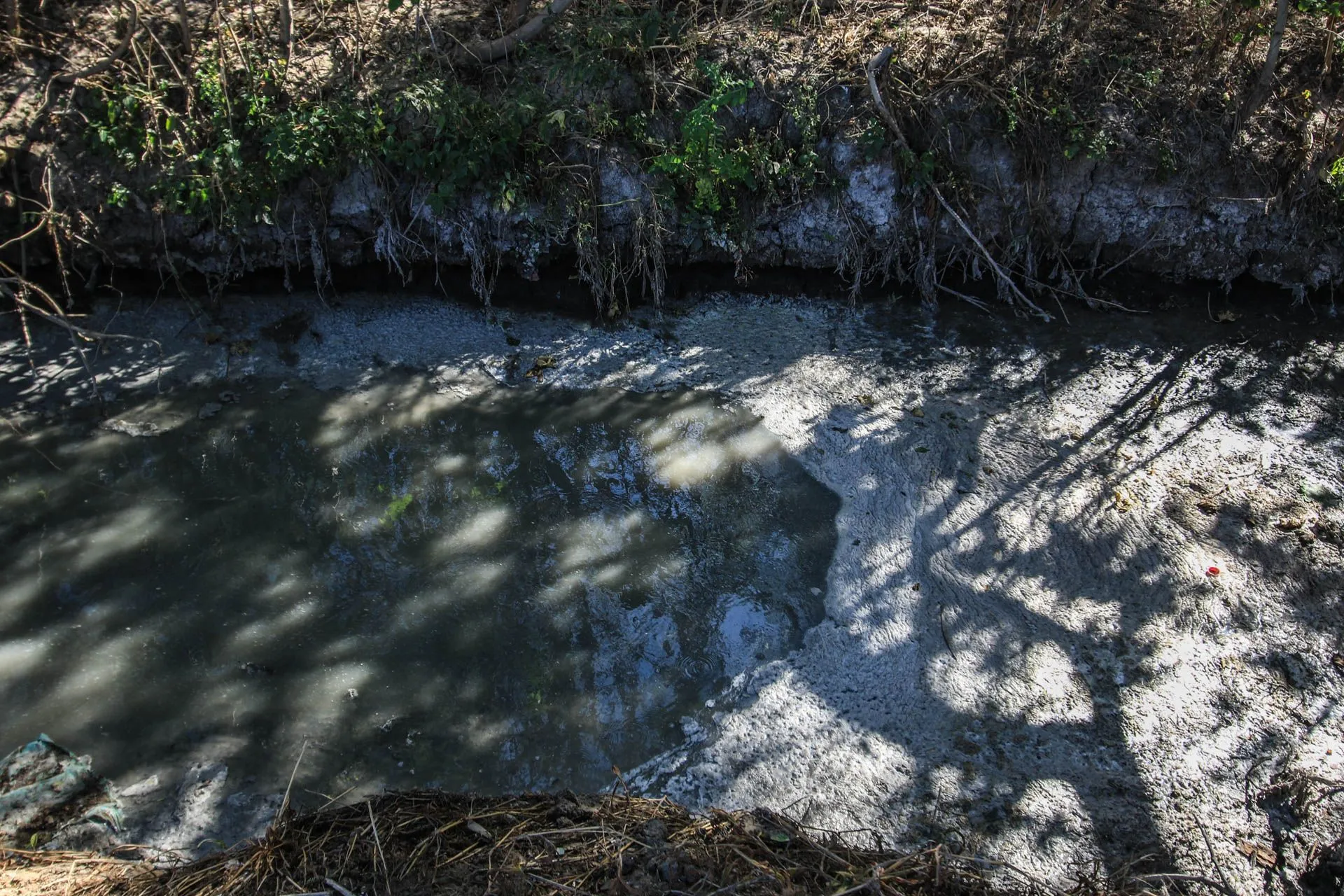
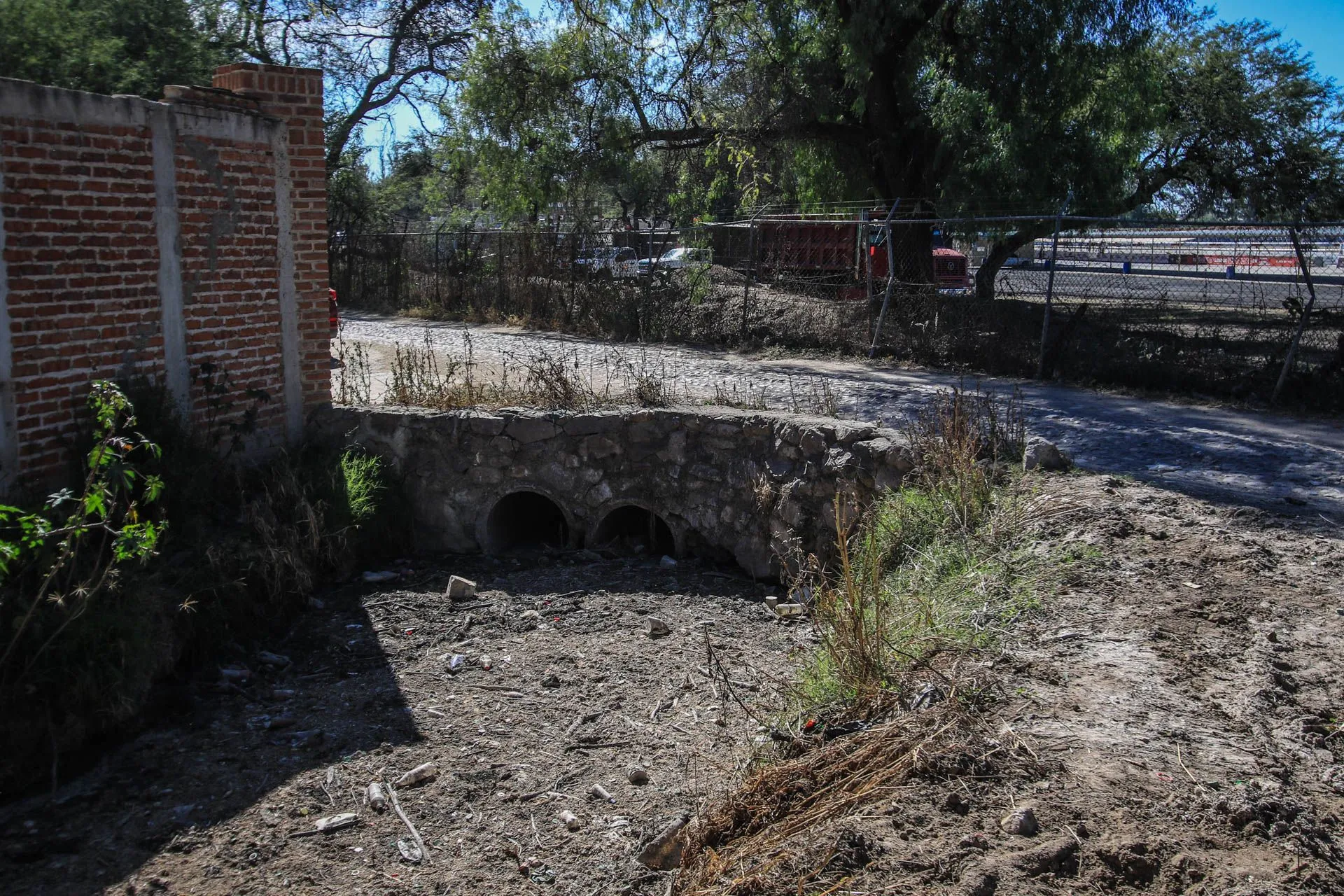
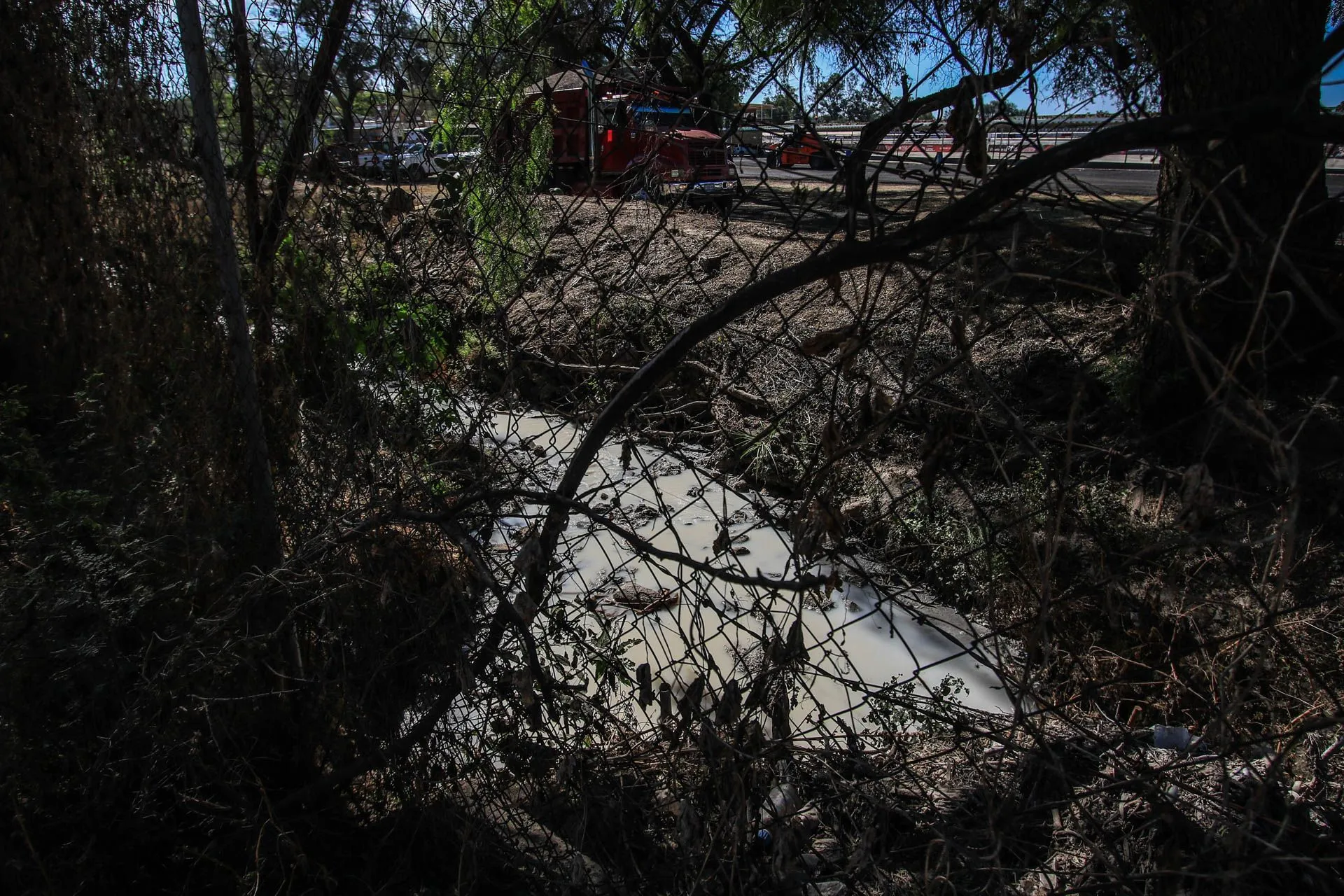
Waste flows down the river in the community of Los López, along the stretch between SW León and the León racetrack.
Credit: Juan José L. Plascencia
“The problem is that these bodies of water receive these wastewater discharges without treatment or with very deficient treatments, which causes a contamination problem by complex chemical groups that alter not only the quality of the water but the entire context of the rivers’ ecohydrology,” he explained.
A study conducted by researchers from the National Institute of Public Health of Mexico reported that “in Mexico, approximately 842 thousand low-income people die every year as a consequence of unhealthy water supply.” The same analysis revealed that 16% of the water produced for water supply in Mexico is not disinfected, and that the consumption of contaminated water is the fifth leading cause of death in children under five years of age.
San Juan de Abajo, fighting for the right to water
Located south of León, the community of San Juan de Abajo, currently with 7,559 inhabitants according to the INEGI, has fought for over two decades to secure access to water. This struggle persists despite the area being home to a large number of wells according to REPDA data. The notable presence of wells might also explain why this town hosts an industrial park as well.
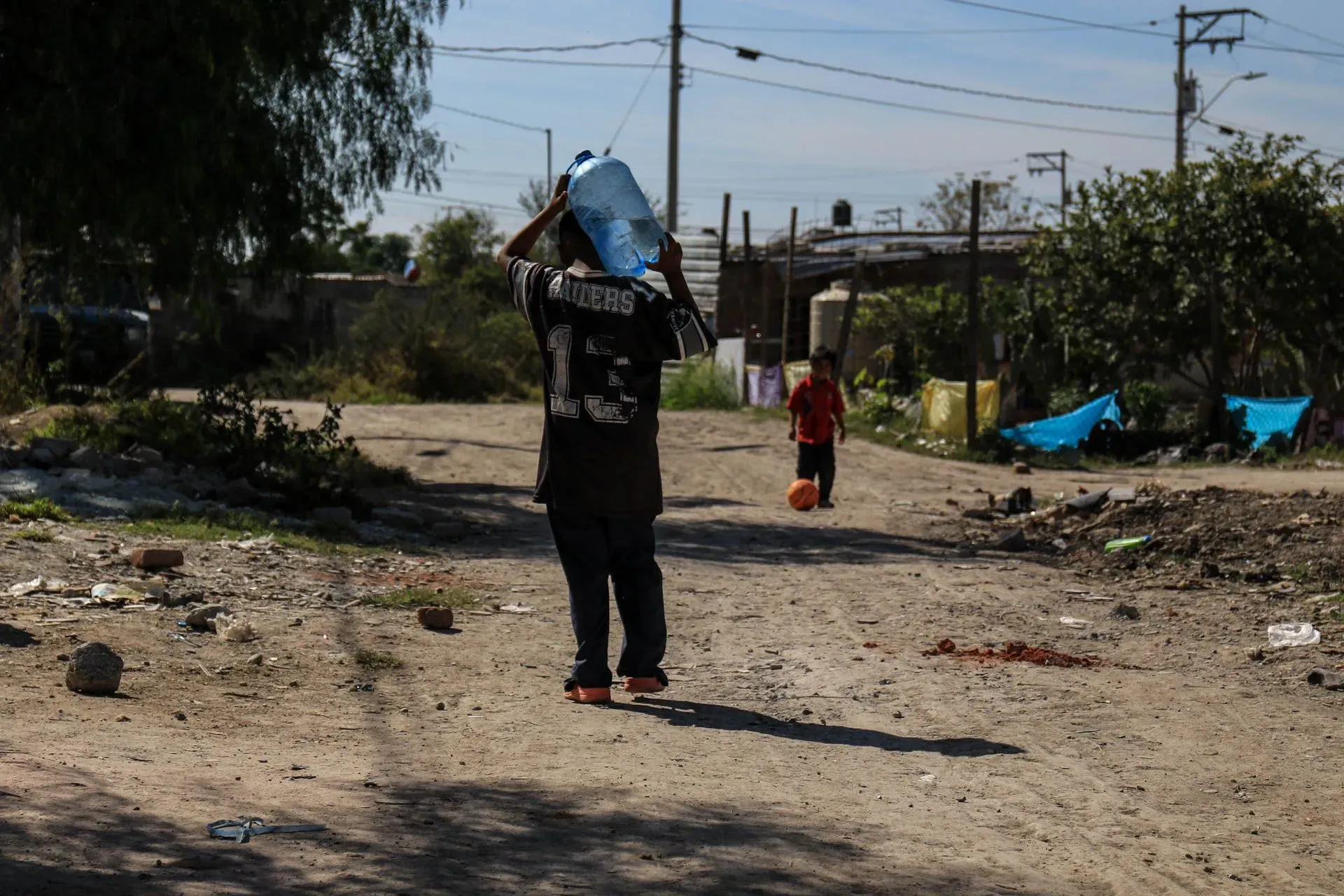
A boy carries a demijohn of water on his shoulders for his family in the community of San Juan de Abajo, in León, Guanajuato. Credit:
Credit: Juan José L. Plascencia
Martha Rodríguez, a resident since 2003, explained how inhabitants fetch water using demijohns carried by their children, aged between 10 and 14 years old, from the nearest water supply, which is 300 meters away.
They store this water in small tanks, primarily for food preparation and hydration, as water from tank trucks had previously made them ill.
Just five kilometers away from this area is the Stiva Industrial Park, which consumes 129,469,000 liters of water annually. This amount could satisfy the entire community’s minimum daily consumption for nearly a year.
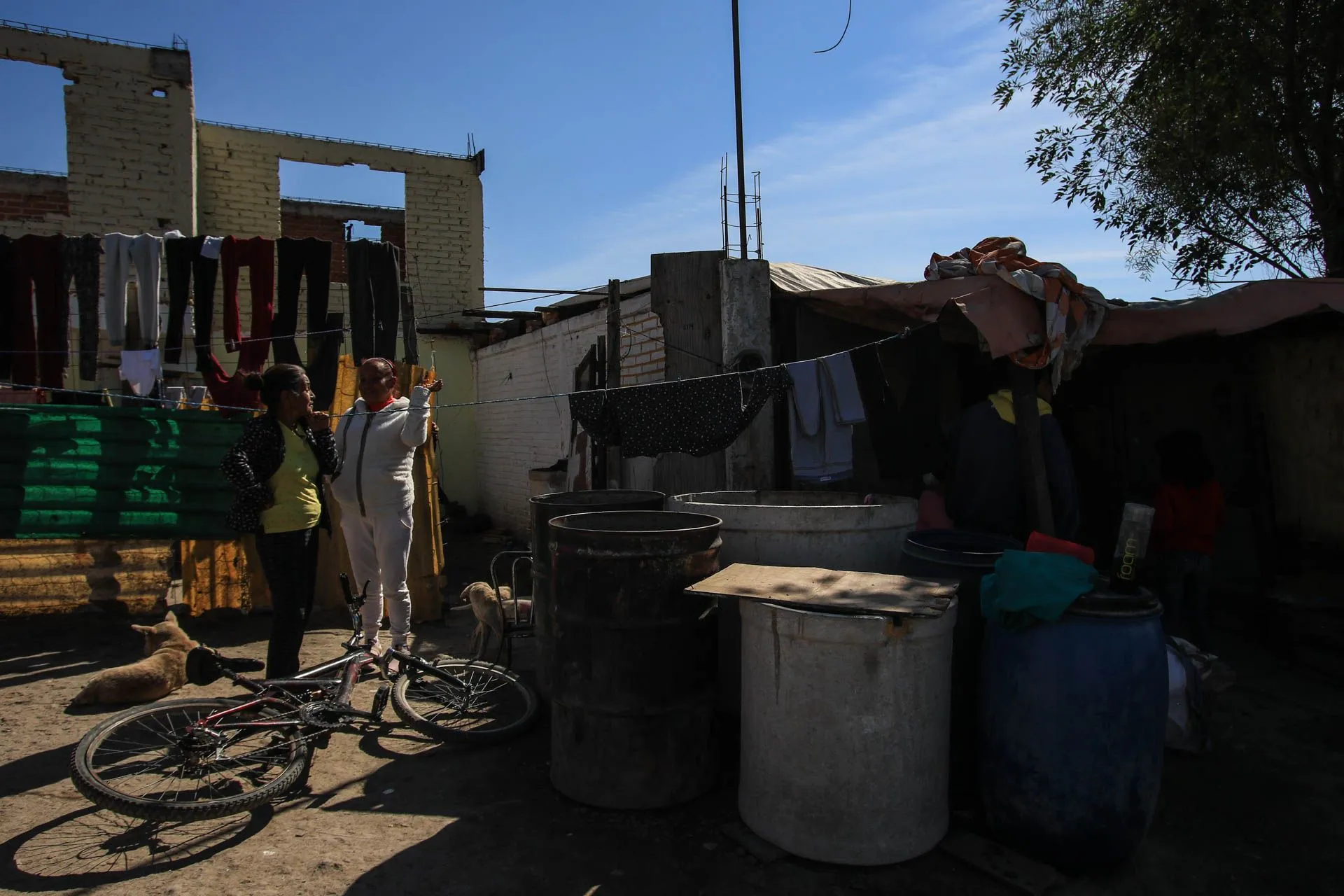
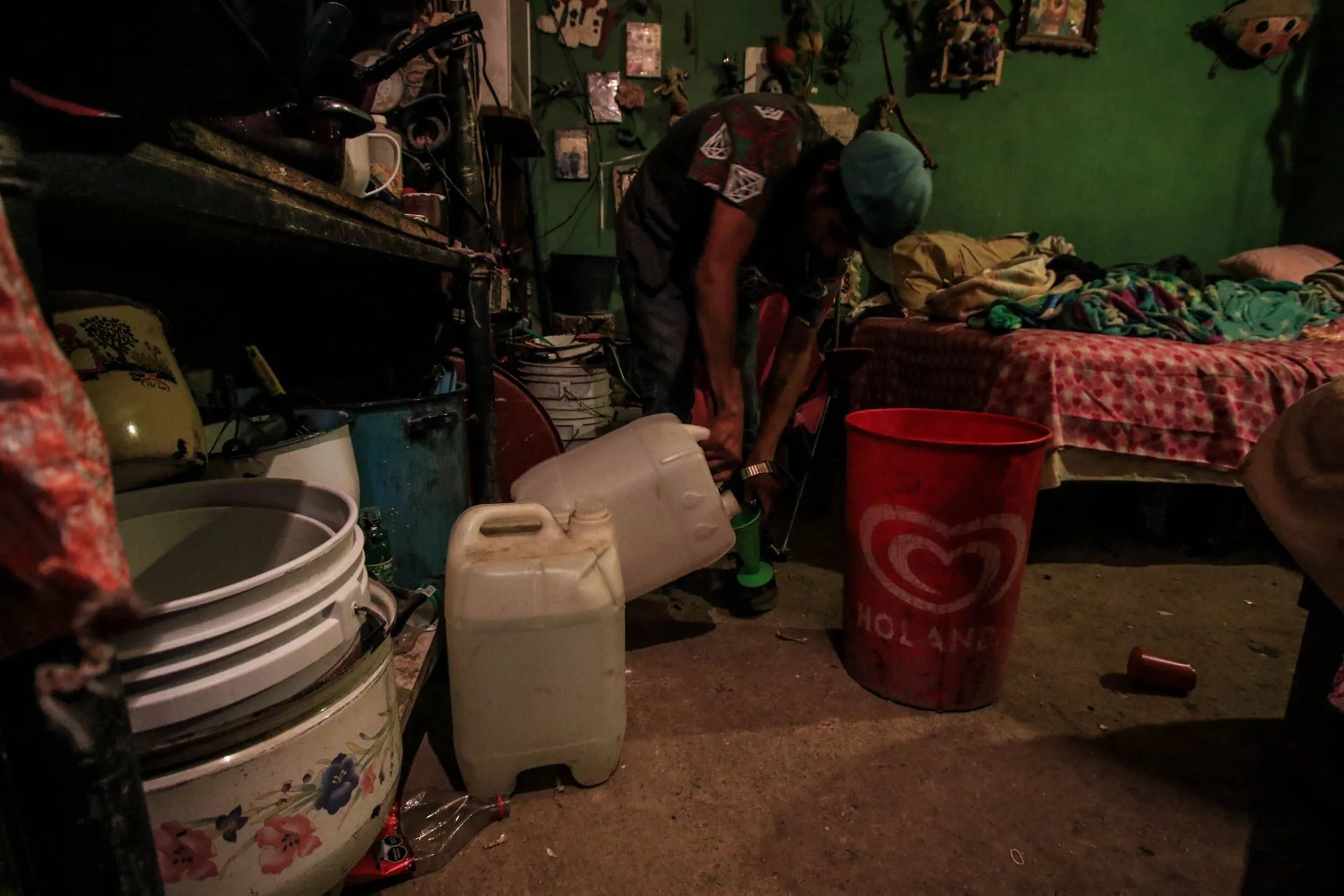
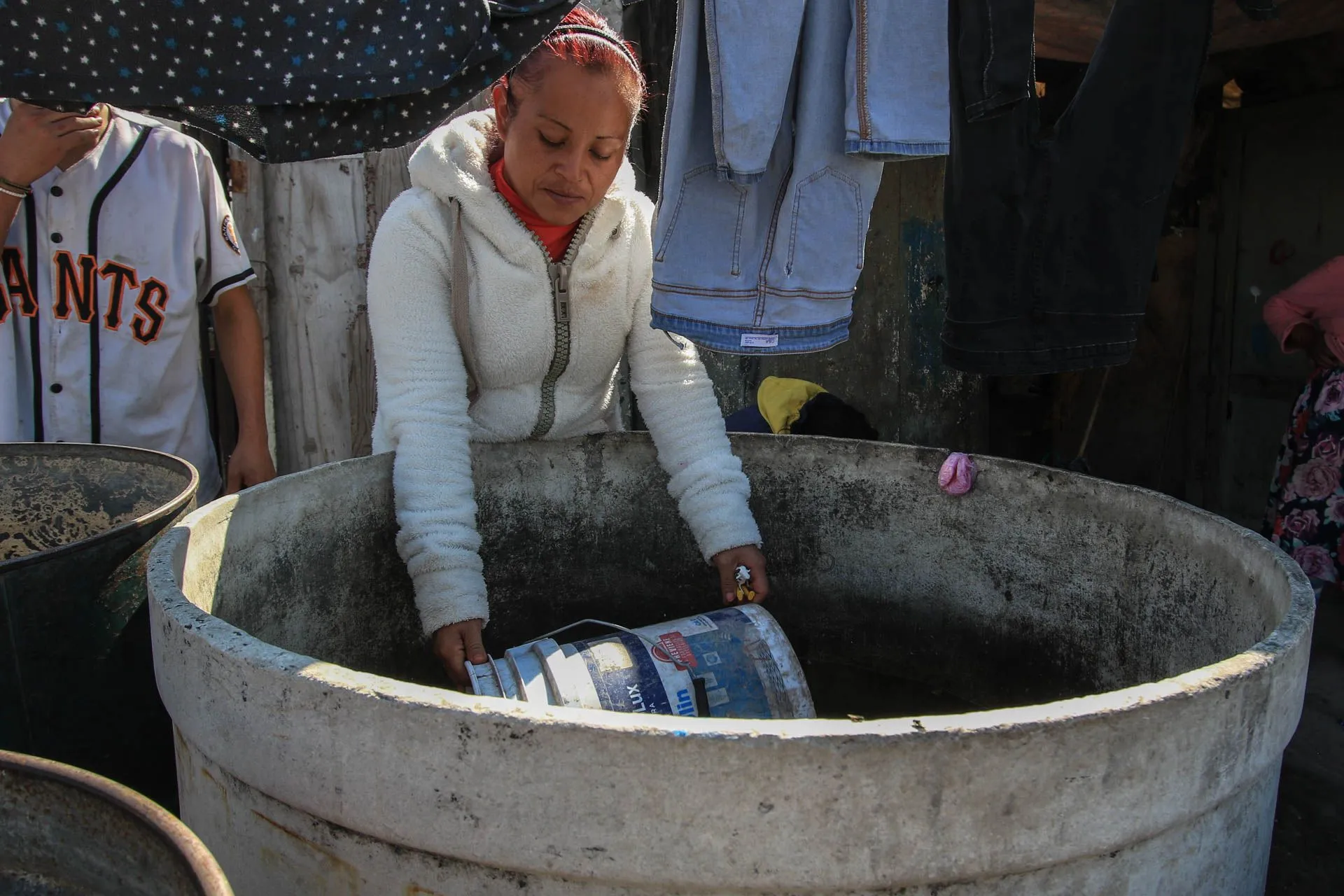
Residents of San Juan de Abajo await the arrival of the tank truck to refill their containers and provide water for their families.
Credit: Juan José L. Plascencia
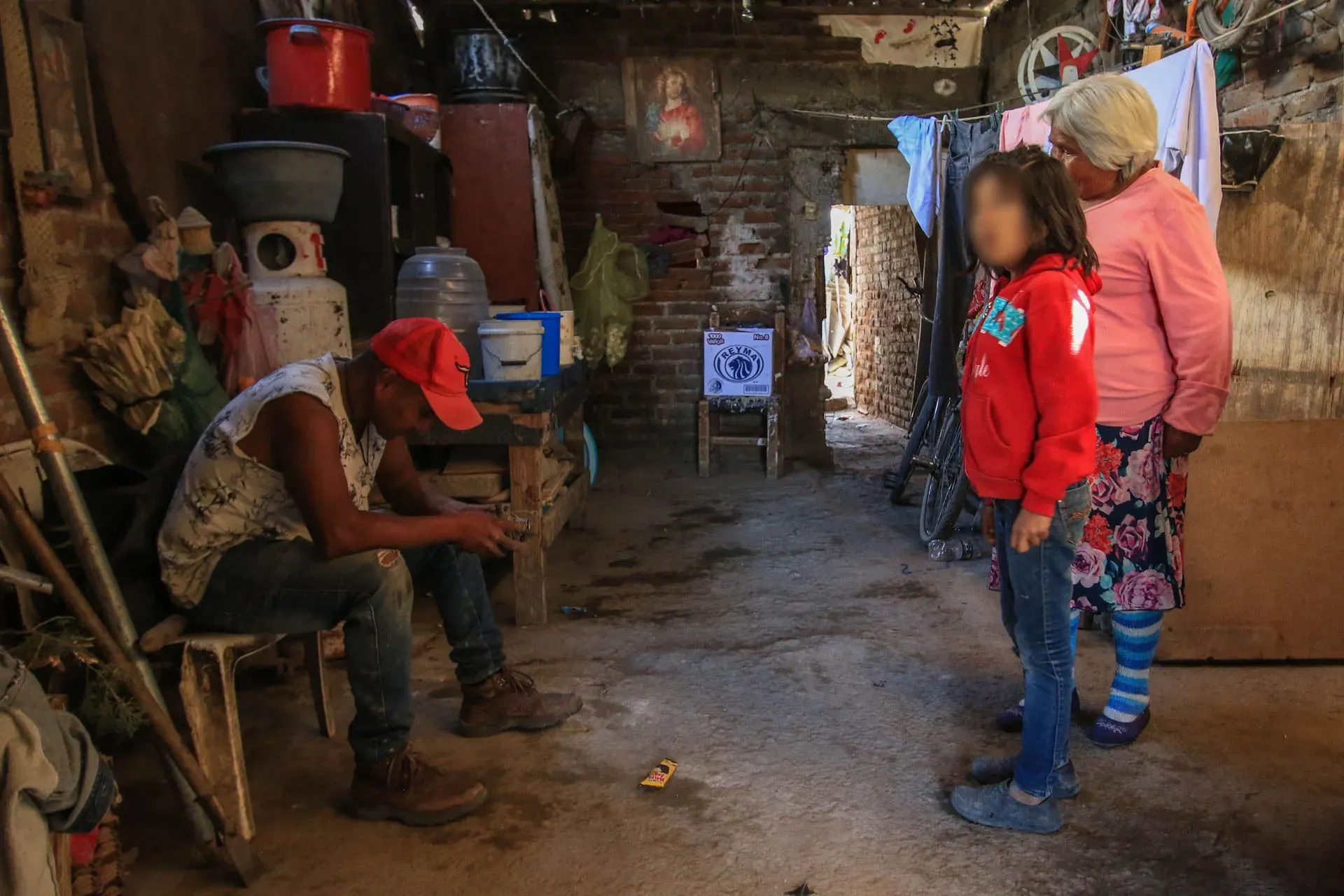
Residents of San Juan de Abajo await the arrival of the tank truck to refill their containers and provide water for their families.
Under pressure from activists and residents, authorities installed five communal water taps in 2015, which have deteriorated over time. The detrimental effects of their usage are evident: in some of them, barely one of the three available water outlets works.
In November, a group of ten families, supported by activist Juan Pablo Delgado Miranda, challenged the denial of access to water by León’s Potable Water and Sewer System (Sapal) and filed a lawsuit against the administration to safeguard their access to water.
However, the judge’s resolution, issued January 22, was ambiguous regarding its provisions. For this reason, the affected parties and the activists have requested a review of the imposed measures.
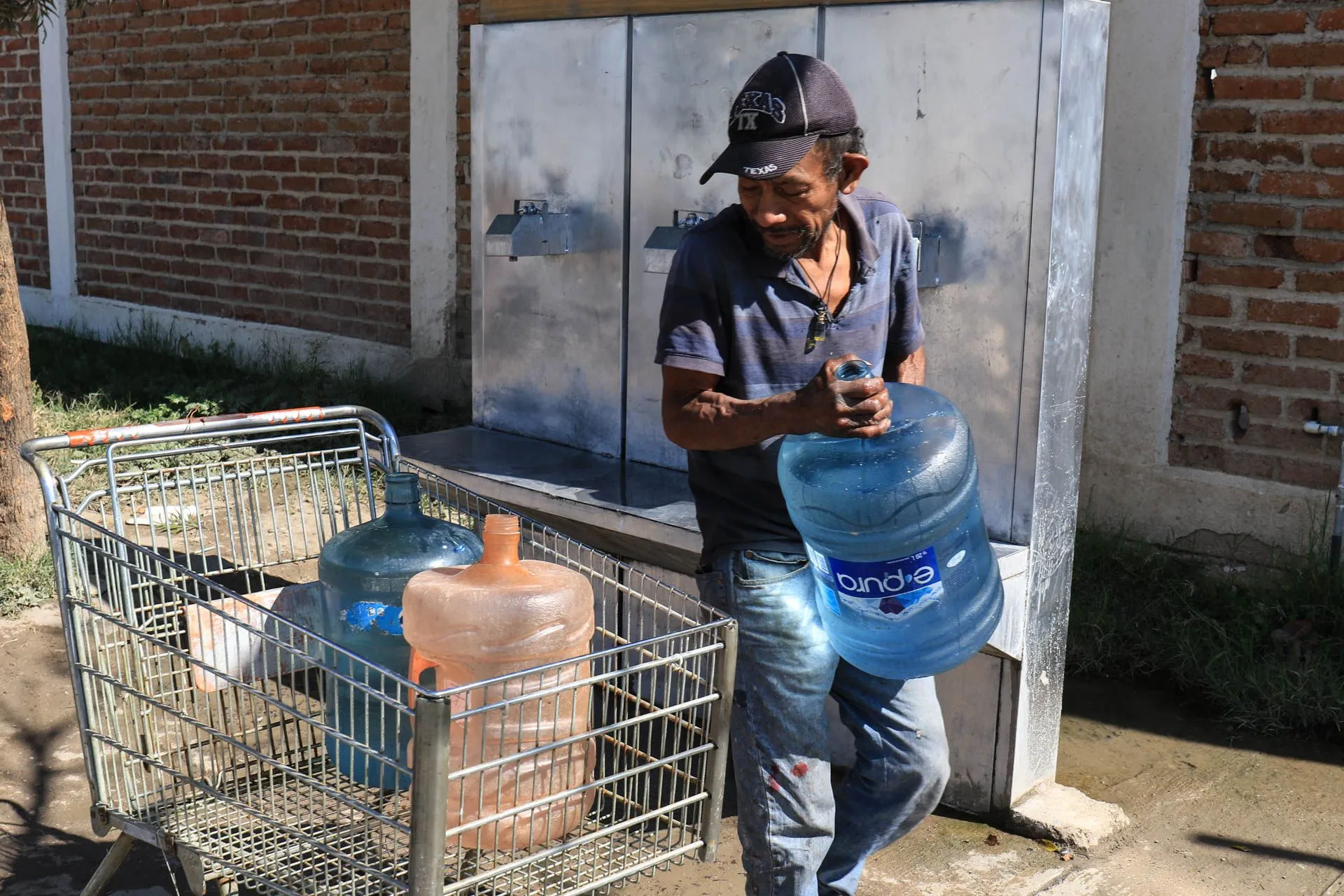
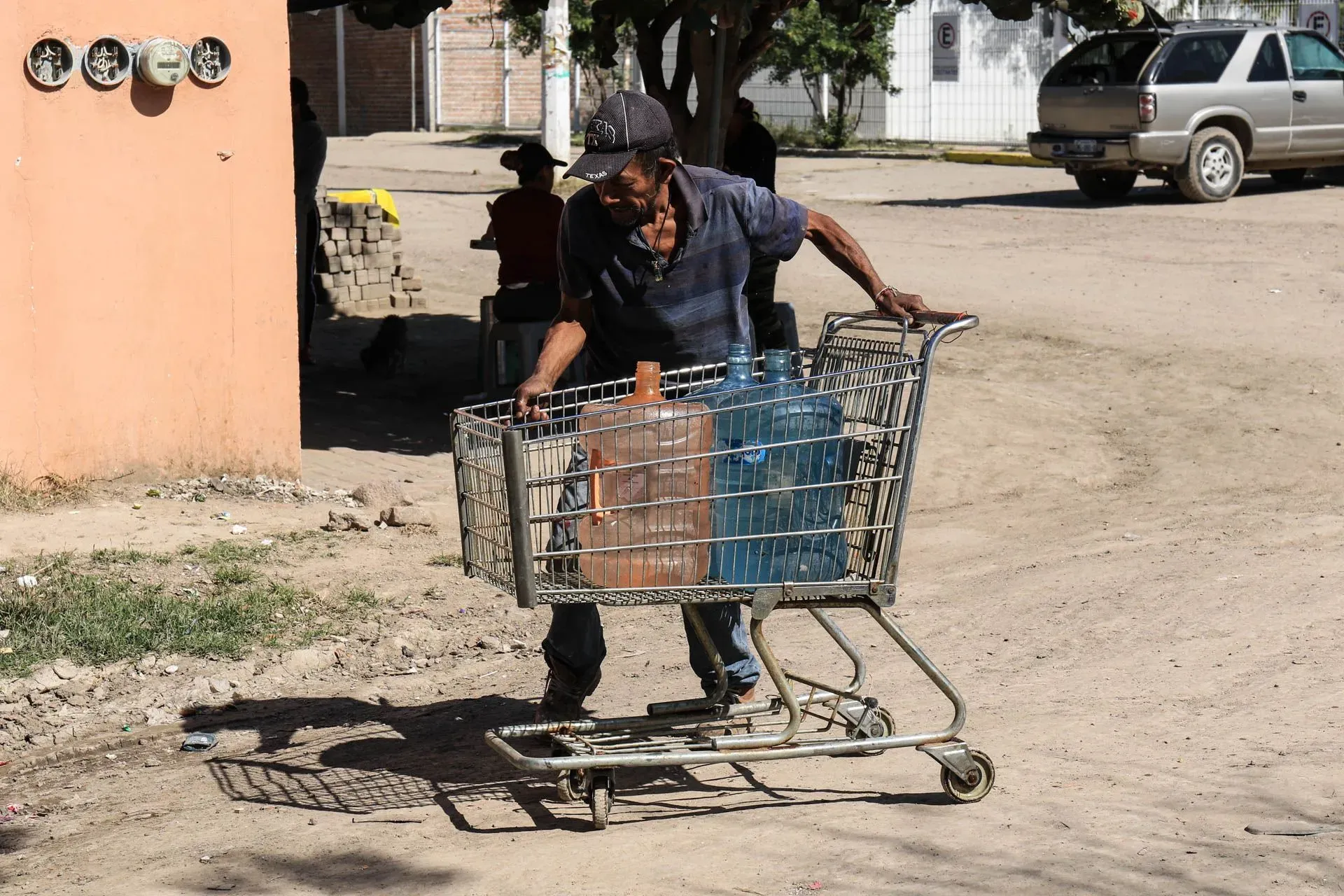
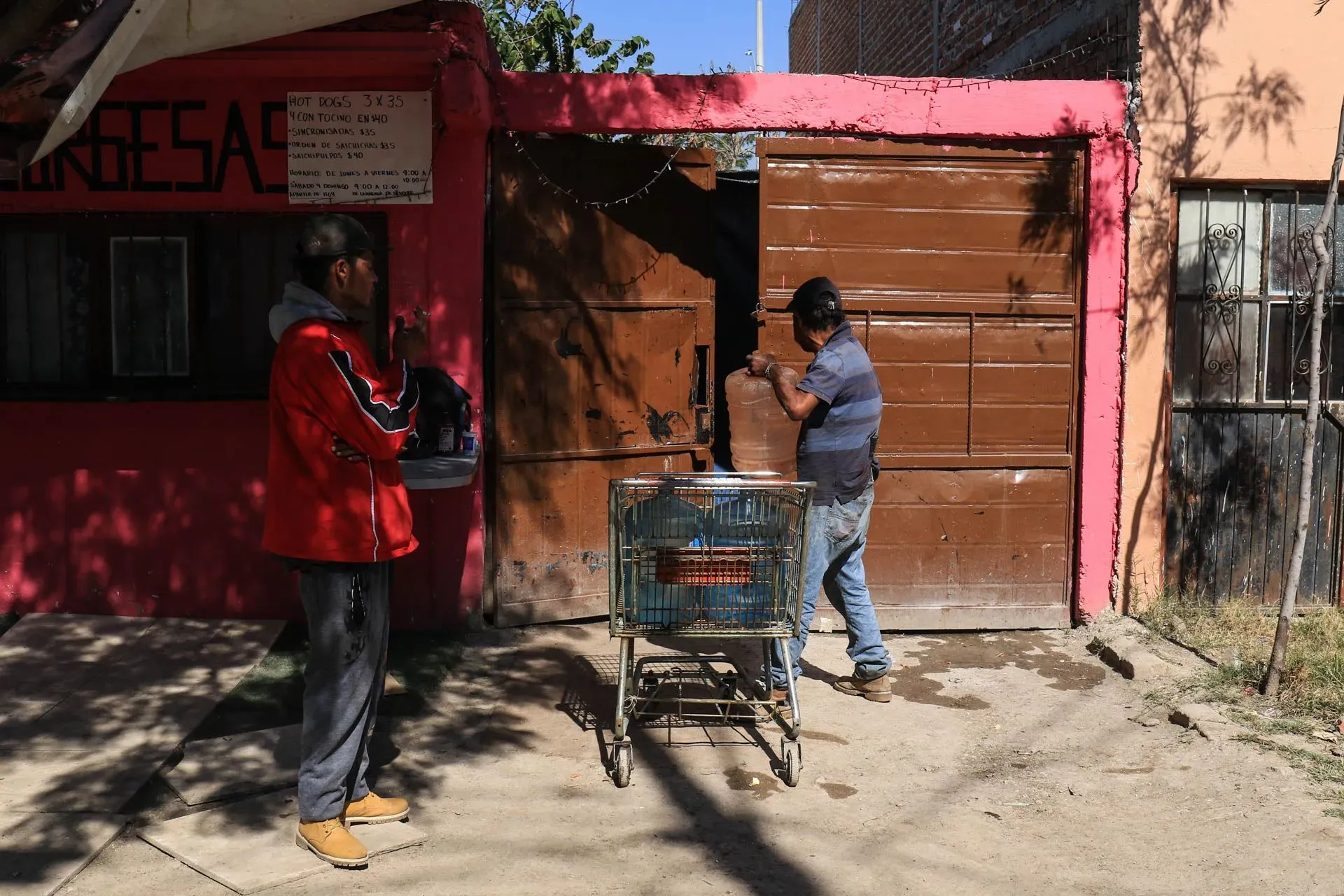
In San Juan de Abajo, a man fills demijohns at a communal water tap
This report is part of the Water for the Environment project, developed with the support of the Mexican Network of Science Journalists (Red MPC), the Mexican Network of Watersheds (REMEXCU), the World Wildlife Fund (WWF), and the Water Reserves Monitoring Network (RedMORA).
Credits
Research and Writing:
Yajaira Gasca
Fabián Segura
Photography and Video:
Juan José L. Plascencia
Data Explorer:
Nicolás Aranda
Web Design and Development:
Nicolás Aranda
Miguel Ángel Cabrera
February 19, 2024
Fecha de publicación:
19 de febrero de 2024, 00:00
Explora más contenido de estos autores
Descubre más artículos y perspectivas únicas