By: Kennia Velázquez, Mónica Cerbón and Arnoldo Cuéllar
In México, the expansion of surveillance systems has been presented by governments as one of the main responses to violence. However, the growth of this industry has also involved high levels of public spending, opaque layers of intermediation, and limited results in security.
In Guanajuato, one of the states most affected by violence in the last decade, the commitment to security technology became a sustained public policy across three administrations.
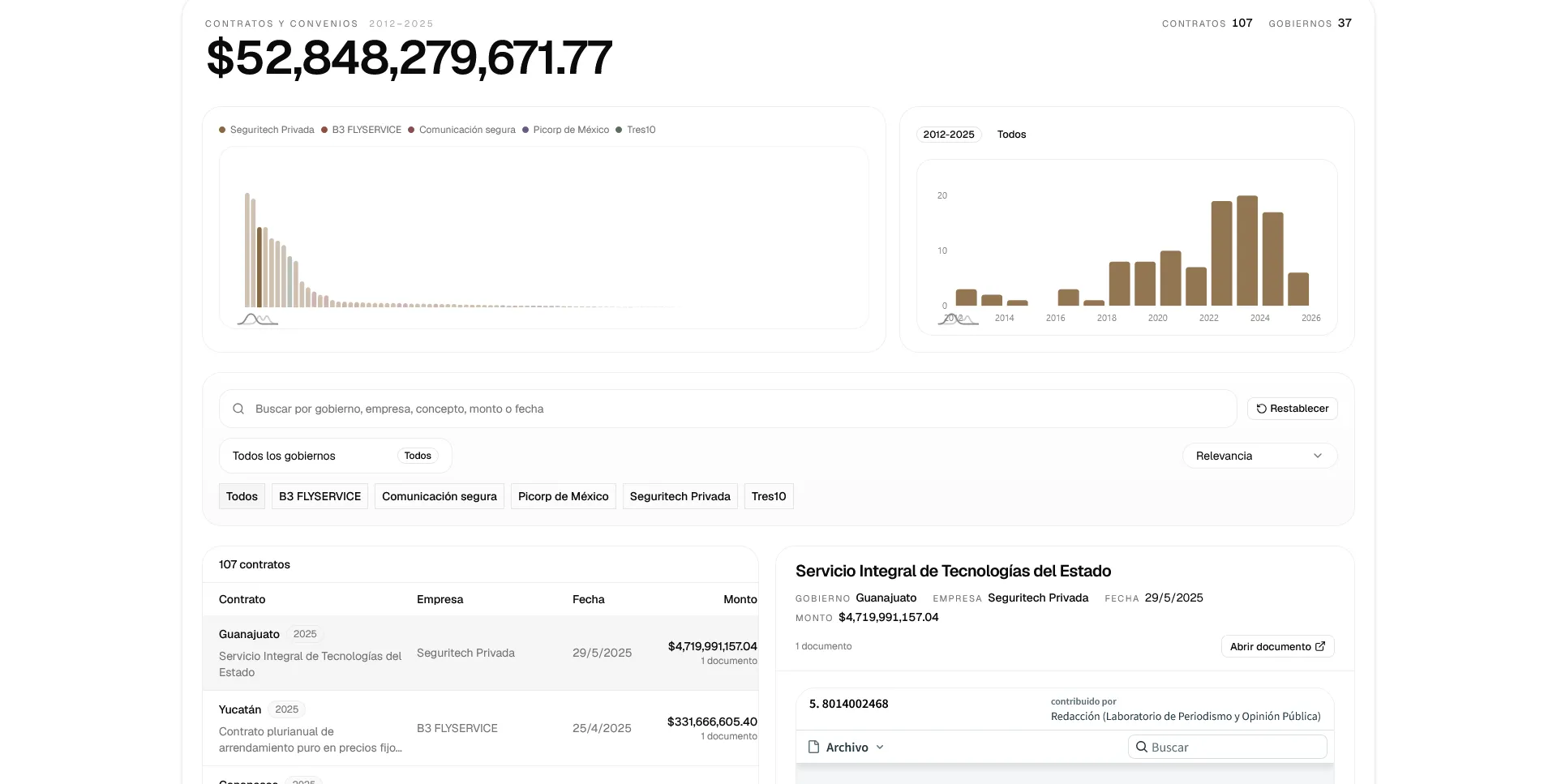
Through state and municipal contracts, Seguritech installed control centers, video surveillance systems, monitoring platforms, and digital connectivity networks with the stated objective of strengthening prevention and “shielding Guanajuato."
While each governor offered a change in security, there was a persistent policy: hiring Seguritech Privada S.A. de C.V. Miguel Márquez contracted the company in 2012 for a lease of video surveillance equipment worth 3 billion pesos (USD 231 million at the exchange rate of that year) to protect the state from violence in neighboring states. Six years later, his successor, Diego Sinhue Rodríguez, campaigned on a platform of “a change of direction” in security to reverse the sustained growth of crime and invested another 4.4 billion pesos (USD 233 million) in a “Comprehensive Intelligent Monitoring Service." Finally, current governor Libia Garcia offered “a new beginning” as her campaign slogan, yet she ended up rehiring the company for 4.7 billion pesos (USD 243 million) to continue the security strategy.
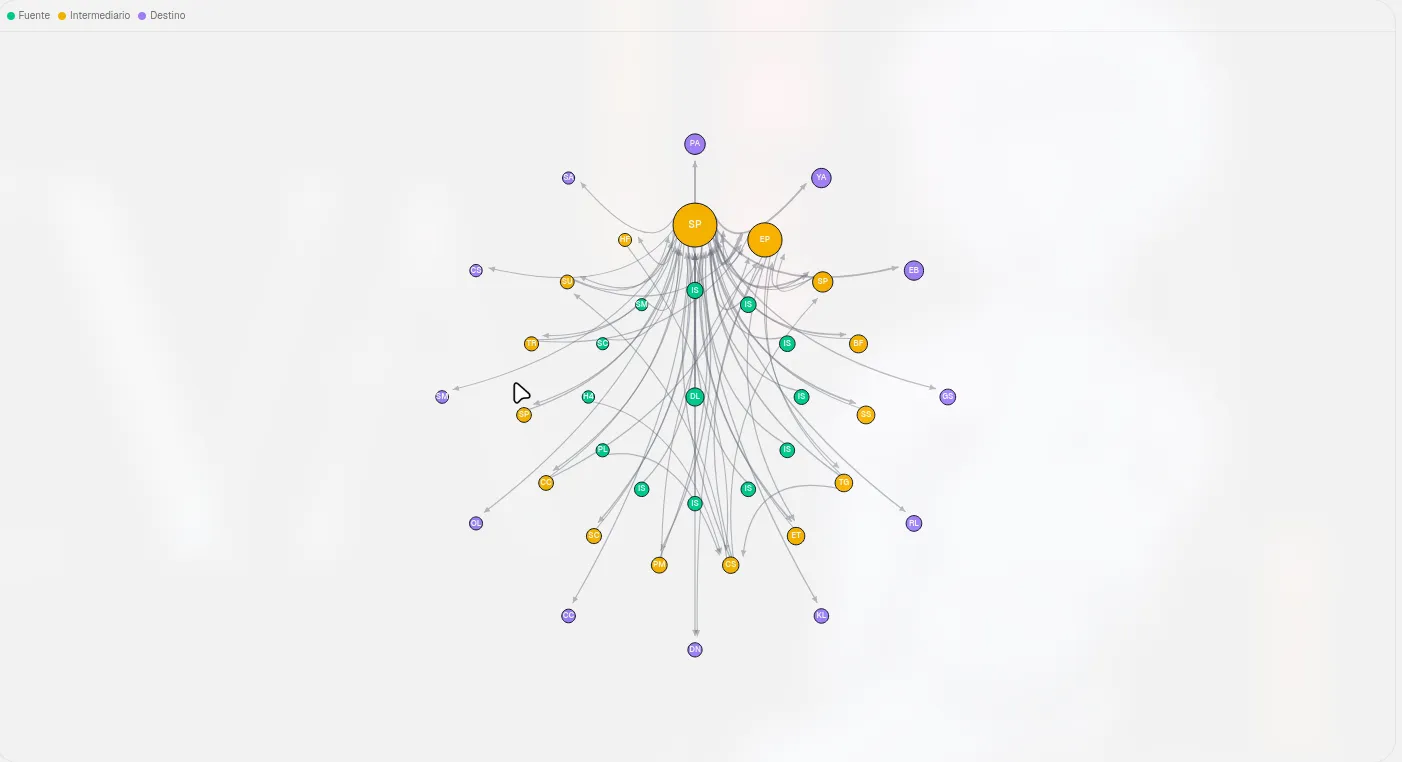
According to contracts obtained through transparency channels, the state government and seven municipalities signed agreements with the Seguritech Privada group for at least 13.593 billion pesos (USD 769 million) between 2012 and 2025 for security and an additional 543 million pesos (USD 30 million) for digital connectivity.
But these were not the company’s only sources of income in Guanajuato. Seven municipalities withheld information about their agreements, arguing that disclosing any data related to the amounts or conditions of the contract could jeopardize public safety.
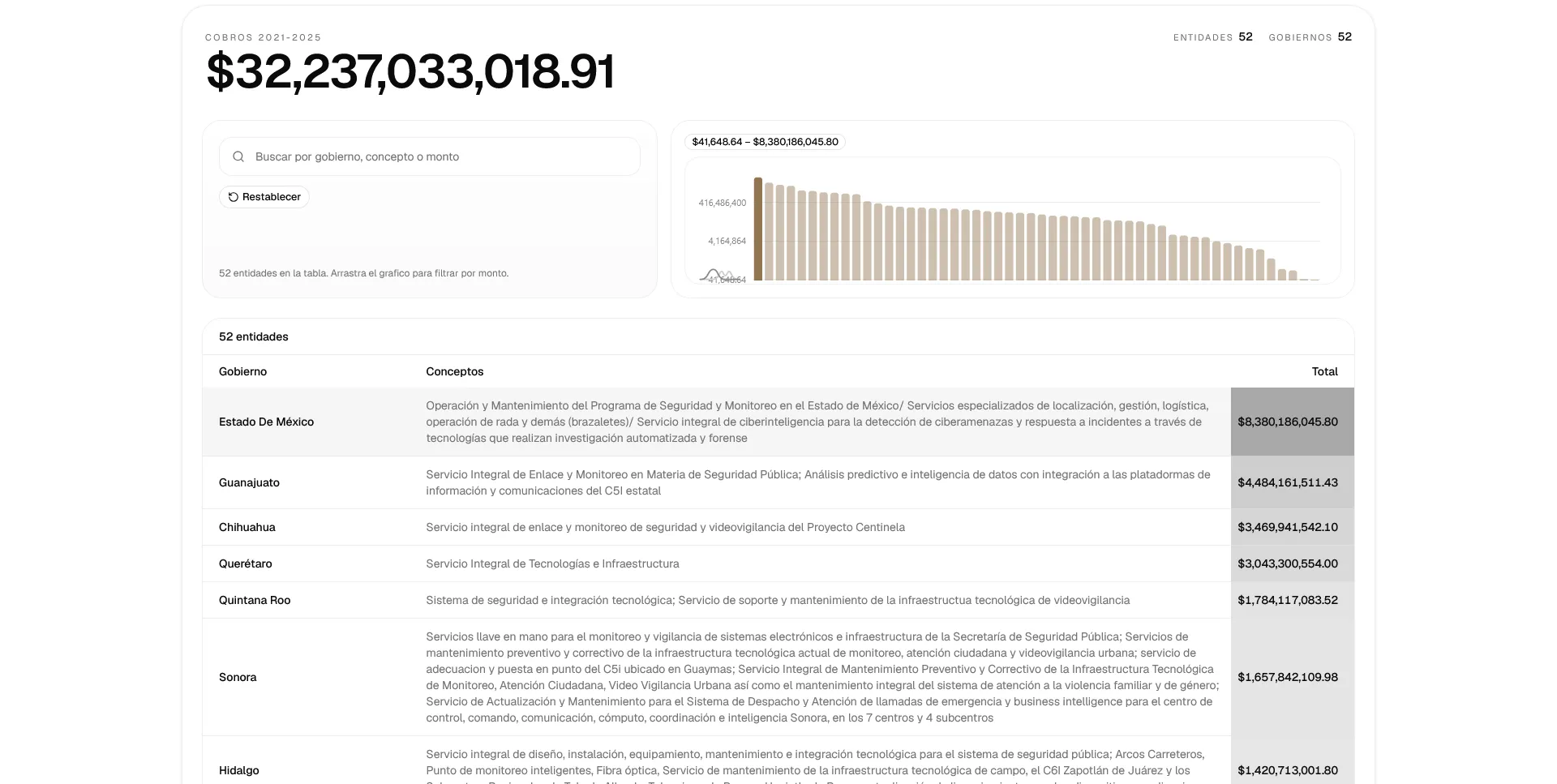
Financial documents and internal records reviewed by POPLab and CONNECTAS show that, only between 2021 and 2025, 17 municipalities and the state executive made a payment of 6.405 billion pesos (USD 362 million) to the company, equivalent to about 20 percent of the group’s revenue during that period. These payments were documented through verified tax receipts, some of which correspond to governments that stated they had no contracts with Seguritech or that have withheld that information
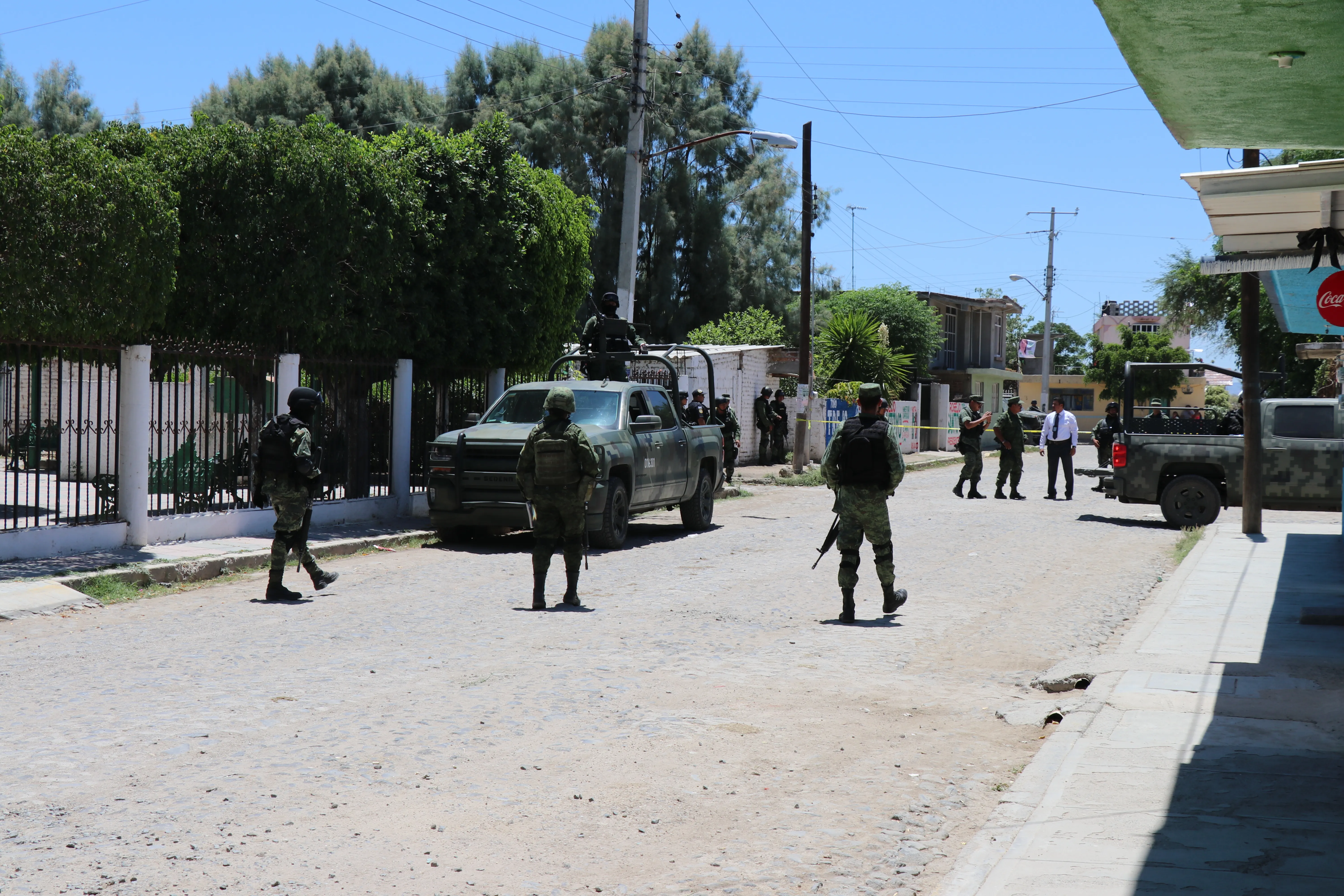
Mexican army personnel after a confrontation over hydrocarbon theft in Romita, Guanajuato. Photo: Juan José L. Plascencia.
As infrastructure grew, so did violence. In 2012 —the year in which contracts with Seguritech began— Guanajuato had a homicide rate of 12 per 100,000 inhabitants. The following years showed a sustained upward trend until reaching 81.12 in 2020. The surveillance system, in which more than 460 million dollars had already been invested, did not translate into a reduction in violence: insecurity spiraled out of control.
Although in 2024 the figure dropped to 4.035, the state remains among the most violent in the country, according to INEGI data. According to the organization Causa en Común, Guanajuato is the second state with the highest number of “atrocities” —term with which the organization groups massacres, femicides, attacks on the population, and other forms of extreme violence—, second only to Sinaloa, where there is an open war between criminal organizations.
Sustained investment in video surveillance, whose amount places it as the central strategy for addressing this crisis, has not translated into a reduction of violence, mainly due to the lack of complementary measures.
“It’s not a technology issue; it’s that people didn’t feel confident going to a public prosecutor’s office and filing a report. And when a report is filed, it’s not investigated due to a lack of capacity on the part of the prosecutor’s office, which is overwhelmed by the number of crimes committed; it is a gigantic bottleneck,” reflects Bernardo León Olea, former Security Secretary of Morelia, who has worked as a security advisor for the municipality of León.
This trend is also reflected in the Mexico Peace Index (IPM in Spanish), compiled by the Institute for Economics and Peace, which assesses the intensity of violence in the states based on indicators such as homicides, violent crimes, organized crime, and the efficiency of the judicial system. In this measurement, scores close to 1 indicate a peaceful state; a score closer to 5 indicates a lower level of peace. Guanajuato’s index went from 3.856 in 2021 to 4.403 in 2025, reflecting a deterioration in its security conditions.
In theory, the expansion of the surveillance system was supposed to prevent violence and strengthen criminal investigations. In practice, access to that information often fails. Families of missing persons and their legal representatives consulted for this investigation described a recurring pattern: when they request prosecutors to provide recordings of their loved one’s movements, the process can take months. When this actually happens, the usual response is that the cameras weren’t working or that the video no longer exists.
In 2024, lawyer Iván L. requested recordings of a highway incident at an access point between Jalisco and Guanajuato for a criminal case. The answer was that the camera was broken and hadn’t been repaired in months.
According to the National Census of State Public Security, between 2020 and 2024, Guanajuato had 4,281 cameras in operation, but during that same period, only 191 videos were handed over for criminal cases.
For this investigation, the state government and municipalities were asked for indicators on the results, impact, and performance of video surveillance systems. The executive responded that this information is the responsibility of the municipal governments, while said governments did not provide it, considering it confidential for reasons of public safety.
Bernardo León points out that the problem is exacerbated in Guanajuato by the lack of results proportional to the level of investment.
The “dark figure," determined by the INEGI victimization surveys as the percentage of crimes that are not reported, reaches 90 percent. 87 percent of the population feels unsafe, and, on average, each inhabitant spent around 3,000 pesos (USD 173) on protective measures in 2024. The per capita cost of the crime amounts to 7,257 pesos (USD 420), considering material losses and health impacts.

Investigation files in a Guanajuato prosecutor's office. Photo: POPLab
According to the independent consultant, “most crime is very local. Technology is very useful, but what you can’t lose sight of is what you want it for. In Guanajuato, that has always been the problem. In Guanajuato, that has always been the problem: There is a very large disconnect between results and processes. The number of certifications and awards held by security and justice institutions in Guanajuato is impressive; it’s enormous. But when you see the results in terms of reduced victimization, less crime, and a better perception of safety, it hasn’t been seen.”
Contracts and opacity
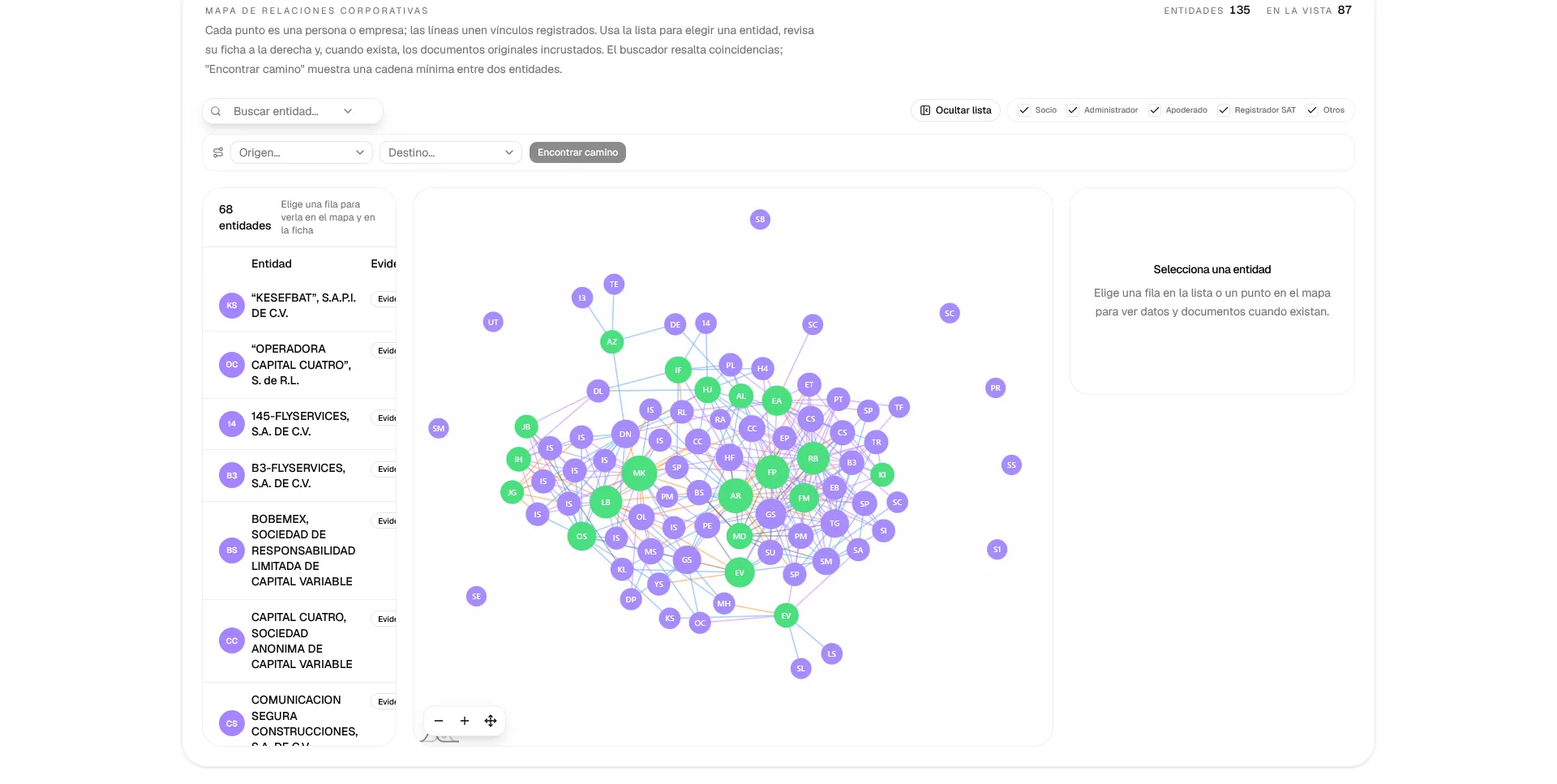
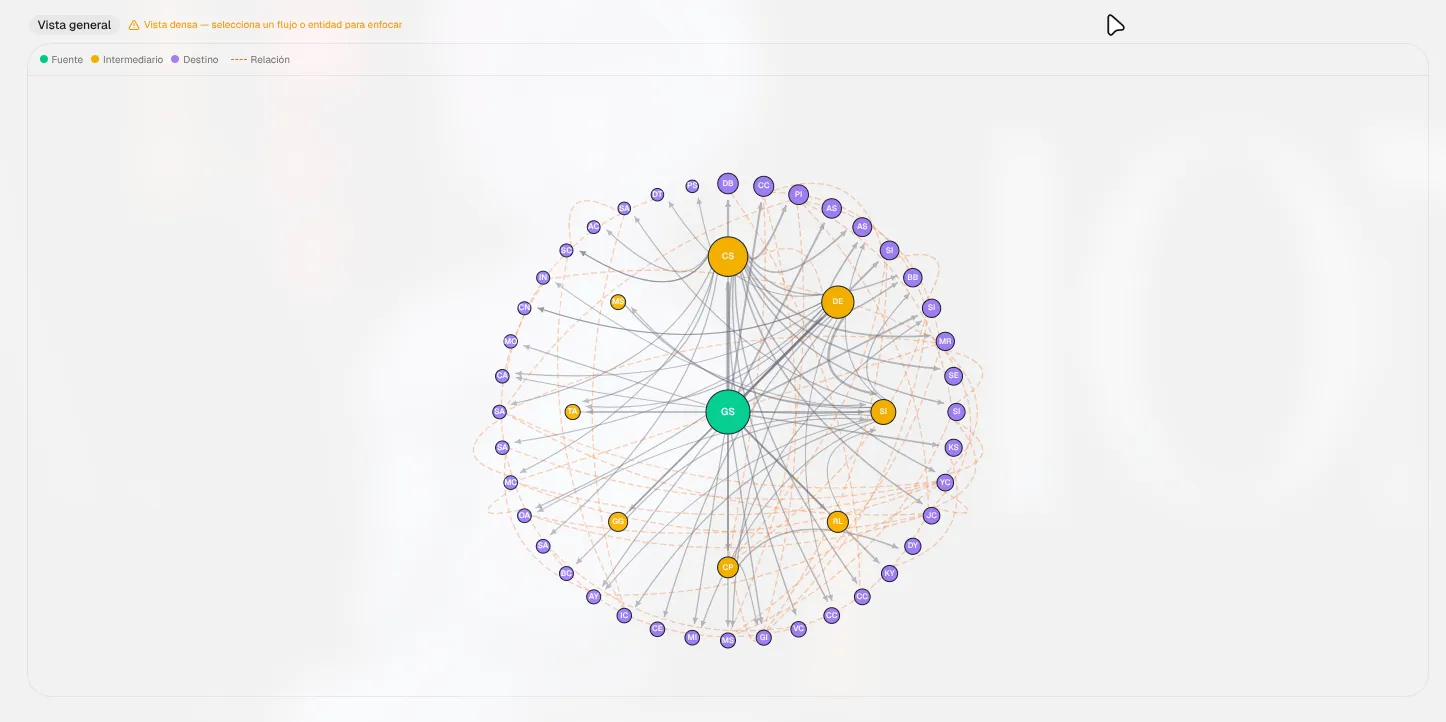
The financial information of the Seguritech Privada group to which POPLab and CONNECTAS had access shows that the budget invested in security contracts is not limited to the installation of infrastructure. At least 253 million pesos (USD 14 million) were distributed by the company as payment of commissions related to state and municipal contracts in Guanajuato through companies and people related to the group’s network.
Analysis of available contracts indicates that Guanajuato is one of the group’s main clients. Out of at least 25 contracts identified in the state and several municipalities, 19 were awarded directly. In the remaining cases, the available information does not allow the allocation mechanism to be determined.
In León, the municipal government directly awarded a contract to Seguritech after declaring a tender void. The municipal Comptroller’s office indicated in an audit that it was not justified as being the best offer. The observations were not corrected.
In Dolores Hidalgo, the authorities reported that they could not locate the contract in their files, although they confirmed a direct award payment of 86 million pesos plus VAT (USD 4.9 million).
A comparative review shows more restrictive contractual clauses than in other states. Some provisions reduce the supplier’s responsibility in contexts of violence. For example, if between 5 and 7 percent of the infrastructure is damaged, the provider is not obligated to reinstall equipment or continue operations. It also establishes that failures arising from this “innovative” technology do not constitute non-compliance.
Furthermore, several contracts include confidentiality clauses of up to ten years, which limits public access to the information. In some cases, municipalities must notify the provider when third parties request data, allowing them to intervene to maintain its classification as reserved.
“This confidentiality clause, however you look at it, is wrong,” Ivan Benumea Gomez, coordinator of the tax justice program at the civil organization Fundar, points out. “The law prohibits the classification of information based on private agreements.” The contracts also establish conditions that favor the supplier in case of early termination. Governments must cover non-recoverable expenses, investments, and associated costs, which increases the exit cost.
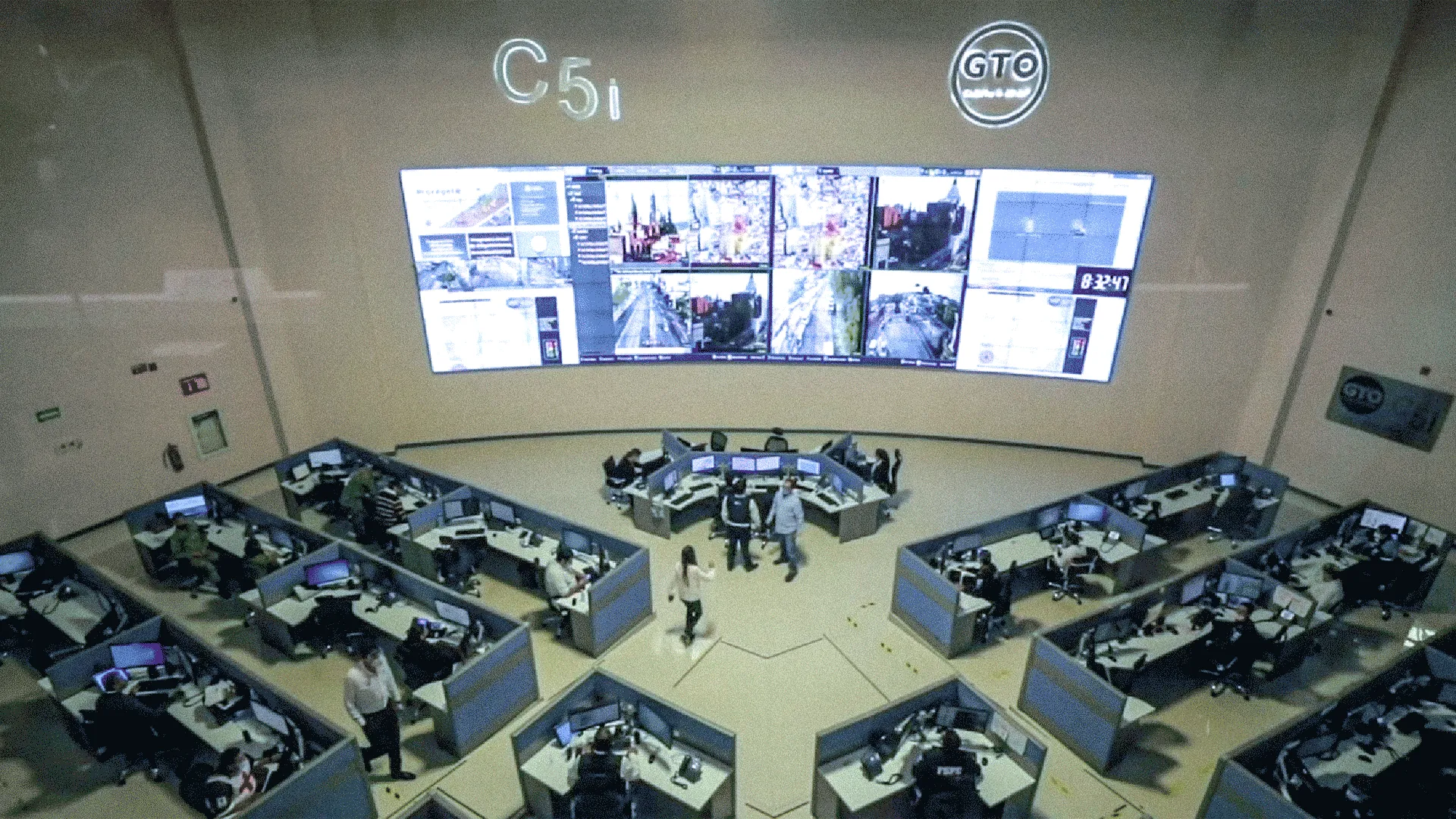
Video surveillance at the facilities of the State C5i System located in Guanajuato Puerto Interior. Imagen: Secretaría de Seguridad y Paz.
Both the state government and the municipalities used similar arguments to withhold information, based on alleged risks arising from hacking or attacks on police facilities that were published in news reports. The amounts were also concealed, arguing that revealing them would allow criminal groups to identify areas without camera coverage.
After it was revealed that former governor Diego Sinhue Rodríguez Vallejo resided in a house in Texas owned by Daniel Esquenazi —commercial manager and commission agent of Seguritech that collected more than 600 million pesos (USD 34.7 million) in commissions—, public pressure led the current state administration to publish the contracts that had been kept secret since 2012. However, the clauses related to supplier responsibilities were hidden in the public versions.
In some municipalities, the contracts with Seguritech were financed with resources transferred by the state government for this explicit purpose. In Guanajuato capital, an agreement between the municipality and the state executive stipulates that the funds must be used to hire the company. In San Luis de la Paz, the contract with Seguritech itself states that the funds come from the state government and are for the exclusive use of contracting the video surveillance system. For this investigation, the state government was asked to provide a list of all agreements made with municipalities that involved extraordinary transfers of resources. The answer was that they did not exist. However, the agencies consulted do not have budgetary authority, and the Secretary of Finance was not required.
For municipal governments, especially smaller ones, hiring involves assuming high costs. Depending on the case, payments to the company represent between 26 percent (San Miguel de Allende) and 78 percent (Valle de Santiago) of the local public safety budget for the periods in which the payments were made.
The contracts establish long-term commitments with limited scope for oversight, and the information generated by surveillance systems remains inaccessible to those seeking justice or truth.
More than a decade after the start of these contracts, the model in Guanajuato combines high levels of public spending, limited transparency, and contractual mechanisms that hinder accountability, without this resulting in a reduction of violence.
Beyond security: Industrial buildings, vineyards, and public works.
The relationship between the Seguritech group and the governments of Guanajuato was not limited to video surveillance contracts. Companies linked to Ariel Picker obtained public land at below-market prices, infrastructure built with state resources, and public works aimed at beautifying private developments of the consortium.
The Skyplus aerospace park received favorable government conditions and state-funded works at Guanajuato Puerto Interior in 2014. The Omún vineyard in Dolores Hidalgo was developed with the support of former governor Diego Sinhue Rodriguez Vallejo, who invested at least 120 million pesos (USD 6.9 million) in the remodeling of the adjacent town, inhabited by 800 people.
Over three administrations, the commercial relationship with Seguritech was renewed without any government subjecting it to public evaluation or open competition among providers.
According to public procurement specialists consulted for this investigation, the benefits obtained by companies linked to the group in land, infrastructure, and public works constitute a relationship that goes beyond that of client and provider.
Fourteen years on, Guanajuato remains one of the most violent states in the country. Investment in surveillance technology grew. Accountability did not.
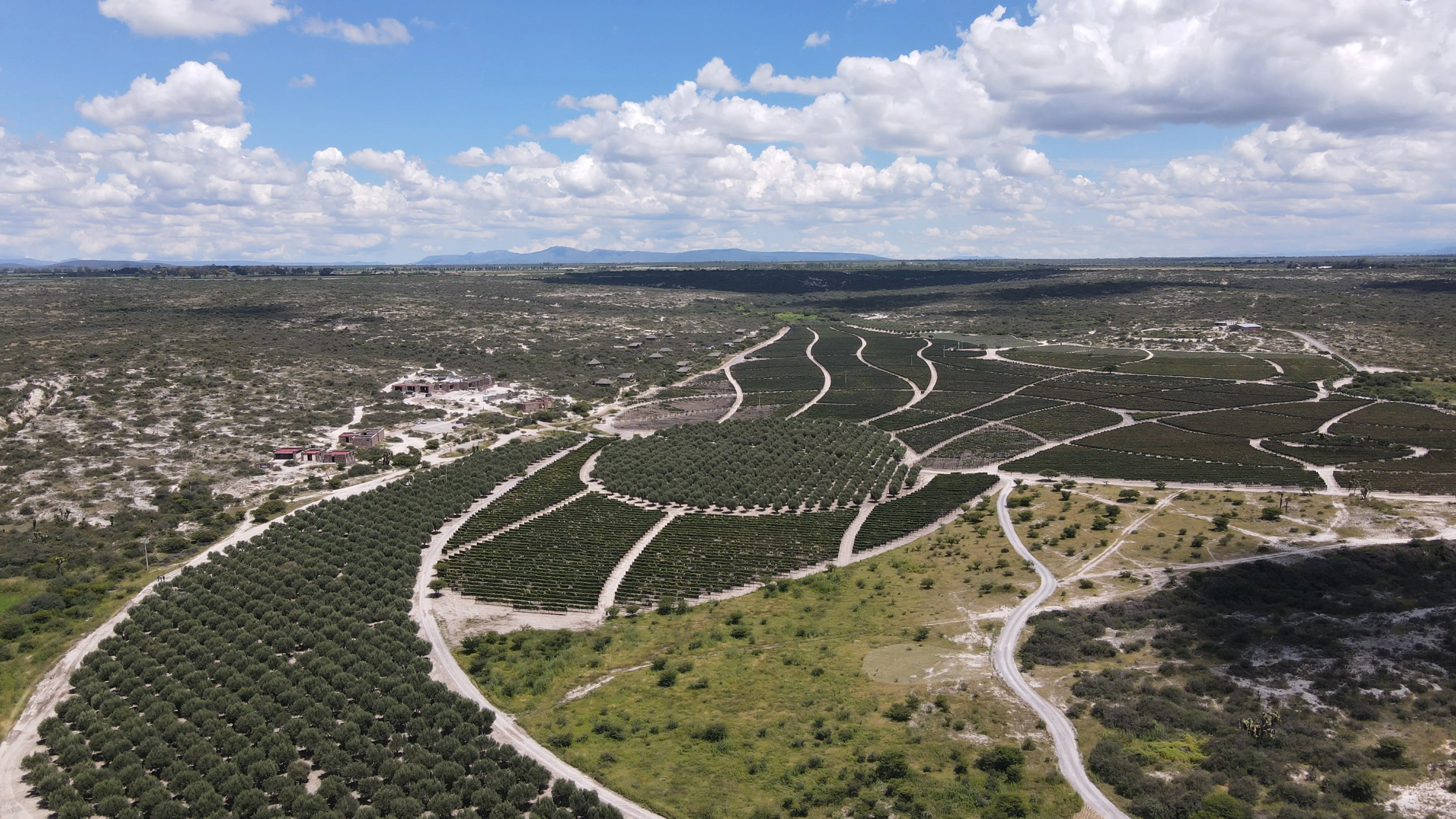
The Omún vineyard, in the municipality of Dolores Hidalgo, Guanajuato. Photo: Juan José L. Plascencia.
---
For this investigation, Ariel Picker and Daniel Esquenazi were contacted to address specific questions about Seguritech's business model, the company's trajectory, its contracts with state and municipal governments, and its outlook on the technology security sector in Mexico.
At Esquenazi's request, written questionnaires were submitted; the company indicated that its lawyers would review the questions and, one day later, that an advisor would handle the responses. The company committed to delivering the information by the evening of Tuesday, June 2. At the time of publication, no response had been received. The company was informed that its position, if provided, would be published in a subsequent article.